How to Grow Your Network in Australia
Jul 16, 2026
A professional network in Australia compounds through repeat interactions, warm referrals and time spent inside relevant industry communities, more than through one-off events. The country's commercial centres are geographically spread across Sydney, Melbourne, Brisbane and Perth, which means deliberate, repeated visibility inside the right clusters does more work than any single conference invite.
The networking tips that move the needle for an Australian solo professional come down to choosing the environment, routines and digital habits that put a face in front of the same people repeatedly, rather than working a room at events.
Define Your Networking Goals Within Australia's Key Industries
Networking without a defined goal produces broad acquaintance and few useful relationships. A solo professional's networking goals usually fall into one of three categories:
- Career progression inside a defined sector, building relationships with senior practitioners, hiring managers and adjacent specialists who can refer or recommend
- Business development for an independent practice, building relationships with potential clients, referral partners and peers who pass work both ways
- Entering a new market, building connections in a sector or city that the work has not previously touched
The clusters that matter for each goal sit in identifiable places. Finance and professional services concentrate around Sydney's CBD, particularly Bridge Street and Martin Place. Tech and creative industries lean toward Melbourne's inner suburbs and parts of Sydney. Resources, energy and infrastructure cluster in Perth and Brisbane, with St. George's Terrace carrying real weight inside those sectors.
Work Where Networking Happens, Not in Isolation
The working environment a solo professional chooses determines how many useful conversations they have in a given month. Working from a home office or a rotating cycle of cafés produces almost no incidental exposure to other professionals, which leaves the full networking workload sitting on scheduled events and deliberate outreach.
Australia's distributed geography sharpens the problem. With professional populations spread across four major cities and significant remote-working populations in regional centres, proximity to active business districts is no longer an automatic outcome of being employed. A solo professional working from a kitchen table 25 kilometres from the CBD has to manufacture every connection. A solo professional working from a shared workspace inside a CBD precinct sits in the path of incidental exposure every day.
Why Coworking Offices Create Stronger Networking Opportunities Than Traditional Leases
Coworking offices put a solo professional in regular contact with a broader cross-section of Australian businesses than a traditional lease does, by design. A long lease typically delivers one tenant, one team and one fit-out, so the people a sole trader or consultant sees in a working week are colleagues, building staff and the occasional courier. A coworking environment routinely hosts startups, established SMEs, enterprise satellite teams and other solo professionals on the same floor.
The structural difference matters for the Aussie business culture, which leans on warm introductions and reputation built through repeated exposure rather than cold outreach. The Work Project's coworking spaces sit inside Grade A buildings on Sydney's Bridge Street, Melbourne's Collins Street, Brisbane's Queen Street and Perth's St. George's Terrace, where the daily working environment doubles as professional networking.
Use Coworking as a Daily Networking Strategy
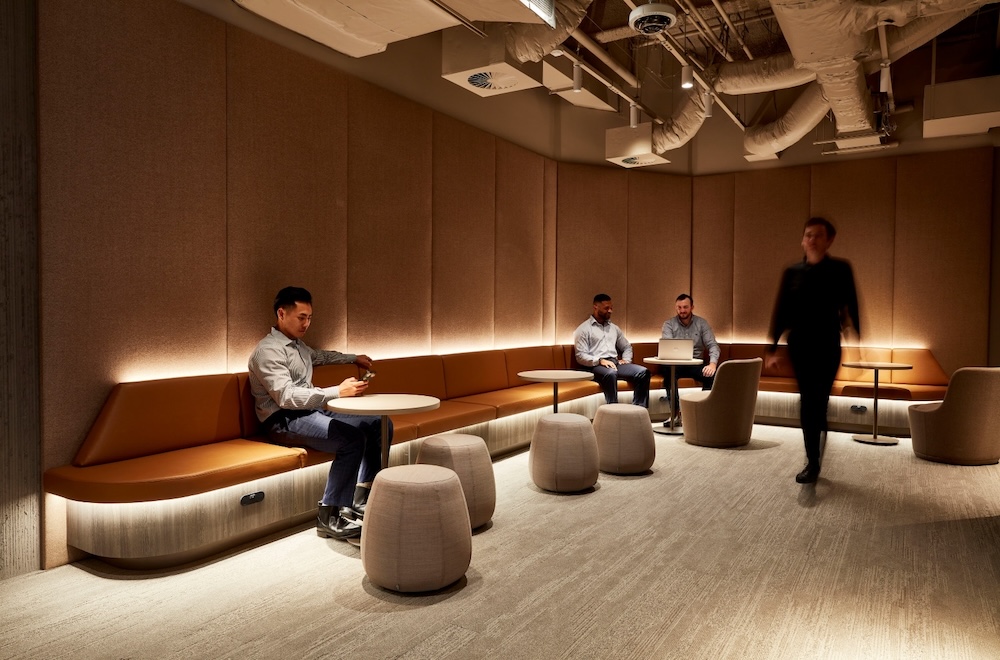
The strongest networking habit a solo professional can build is the quiet kind that happens at the coffee machine, in the breakout lounge and around shared meeting room bookings. Repeated low-pressure exposure to the same people produces trust faster than any structured introduction, because the relationship is built on observation rather than a five-minute pitch.
Inside an active coworking floor, the organic touchpoints accumulate quickly:
- The kitchen and coffee station, where the same handful of people overlap at the same times of day
- The lounge and breakout areas, where conversations between meetings often produce useful introductions
- Shared meeting room corridors, where guest list patterns build a working map of who in the building works with whom
- Member events and curated activations hosted on the floor
Over six months, these interactions accumulate into a network wider and more current than one built through scheduled outreach.
Tap Into Local Events and Industry Communities
City-specific events still carry weight, particularly inside sectors where practitioners cluster tightly. They sit at the centre of how to grow a network in Australia beyond the floor a solo professional works on each day. Sydney's fintech and venture circuits, Melbourne's design meetups, Brisbane's startup community and Perth's resources sessions run weekly or monthly programmes a focused solo professional can join inside a few months.
Two filters help separate events worth the time from those that pay back nothing:
- Sector relevance, since a panel on Series B fundraising is useful for a startup-adjacent consultant and a poor use of time for a freelance graphic designer
- Repeat attendance, since the events that build a network are the ones where a face becomes recognised over four or five appearances, not a one-off visit
Events also work in the other direction when a solo professional starts hosting their own. Bookable corporate event venues around Sydney, alongside event spaces in Melbourne, Brisbane and Perth, make a self-organised client roundtable or sector breakfast workable without a long-term venue commitment.
Use Digital Channels to Stay Connected Across Cities
Digital channels do their best work when they extend relationships that already exist in person, not when they try to manufacture them from scratch. For an Australian solo professional working out how to grow a network across the distance between Sydney, Melbourne, Brisbane and Perth, LinkedIn, sector-specific online communities and selective newsletter publishing keep relationships warm between physical interactions.
A workable digital baseline looks like this:
- LinkedIn updated when the work changes, with one or two posts a month rather than daily output
- Selective comments on posts by people already known, building visibility inside the network without performing for strangers
- Membership in one or two closed-sector communities
- Direct messages to people met in person, with no agenda other than maintaining the connection
The digital layer is most useful when it carries warmth established offline. Cold outreach inside Australia's professional networks rarely converts at the rate warm follow-up does.
Build a Reputation Through Consistent Presence
Reputation inside an Australian professional network builds through consistent presence in the same environments. It is also how a solo professional continues to grow a network past the first wave of introductions. A solo professional who shows up at the same coworking floor four days a week, attends the same monthly sector meetup and posts work on LinkedIn at a steady cadence will be known inside their network within a year.
A solo professional who appears unpredictably will not.
Members who treat a shared floor as a base, participate in member events and contribute to community channels accumulate familiarity that compounds into real introductions over time. The Work Project's coworking community is curated specifically to support this, with solo professionals, founders and small teams inside the same buildings on premium CBD addresses, working alongside each other on a daily basis.
Network With Intention, Not Just Opportunity
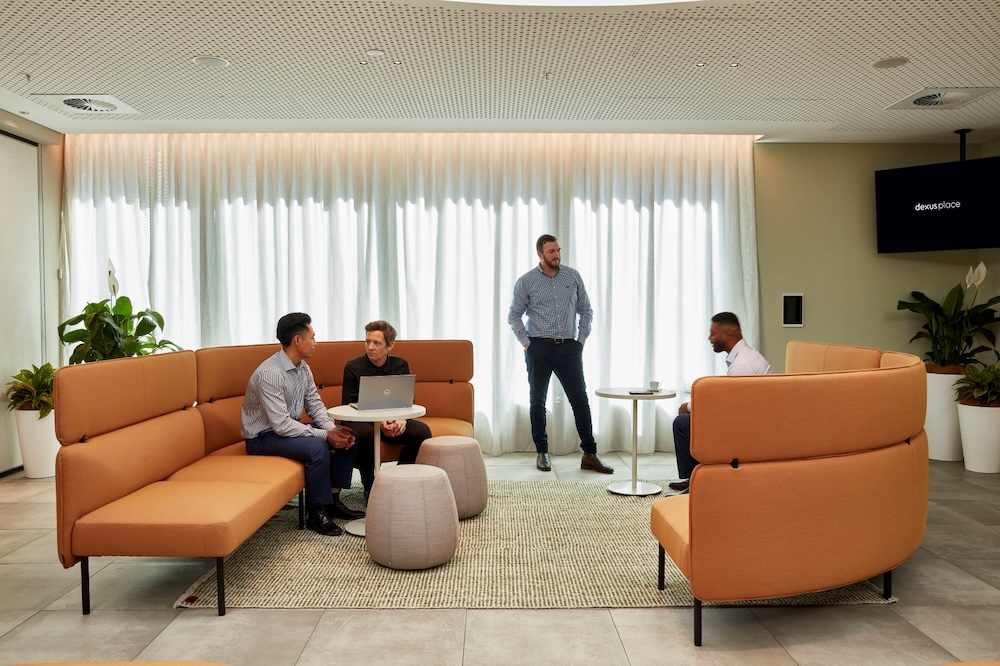
Building a professional network in Australia comes down to choosing the right environments and showing up inside them consistently, rather than chasing every opportunity. A solo professional who defines clear goals, works inside an active business district, treats the workspace as a daily networking habit and complements it with selective events and a maintained digital presence will build a network that delivers referrals, partnerships and work over the long term. That is how to build a network that lasts.
The Work Project's agile work environments sit inside Grade A buildings in Sydney, Melbourne, Brisbane and Perth, alongside a community of founders, consultants and small teams who work in the same spaces every week. Book a tour at a nearby location to see the workspace and community firsthand.