How Agile Workspaces Benefit Businesses in Australia
Mar 03, 2026
The traditional office, with its fixed desks and rigid 9-to-5 schedule, is steadily giving way to more adaptable, responsive ways of working. In Australia, this shift is particularly visible across cities like Sydney, Melbourne, Brisbane, and Perth, where hybrid work models and distributed teams have become standard.
Agile working environments are a practical response to these changes. They enable smaller, nimble Australian businesses to compete with larger, slower-moving firms, while supporting teams that collaborate across cities and international markets.
What is an Agile Workplace Model?
An agile workplace model goes beyond flexible hours or remote work. It combines adaptability in schedules, office space design, and workflow practices to match the realities of how teams actually work in Australia today.
Flexibility and Adaptability
Agile workspaces let employees take control of how and where they get things done, whether at home, in the office, or at a coworking space. For teams spread across cities like Sydney, Melbourne, Brisbane, and Perth, hybrid schedules allow employees to adapt to commuting patterns, peak office demand, and local time zones, letting staff stay productive without sacrificing wellbeing.
Work Methodology
Beyond flexible schedules and hybrid setups, an agile work environment is also defined by how work gets done.
Agile methodology focuses on breaking larger projects into smaller, achievable steps, meaning that teams are able to adjust direction as priorities evolve. Instead of waiting until the end to review progress, work is continuously monitored, refined, and improved.
Tools like Slack, Microsoft Teams, and Notion make this process seamless, keeping everyone aligned, sharing updates in real time, and tracking progress transparently.
Types of Agile Workspace Designs
Workspace design has evolved dramatically over the decades, from rows of fixed desks to dynamic, adaptable environments. Agile workspaces focus on layouts that boost productivity, spark collaboration, and support the way teams actually work.
Open Plan Spaces
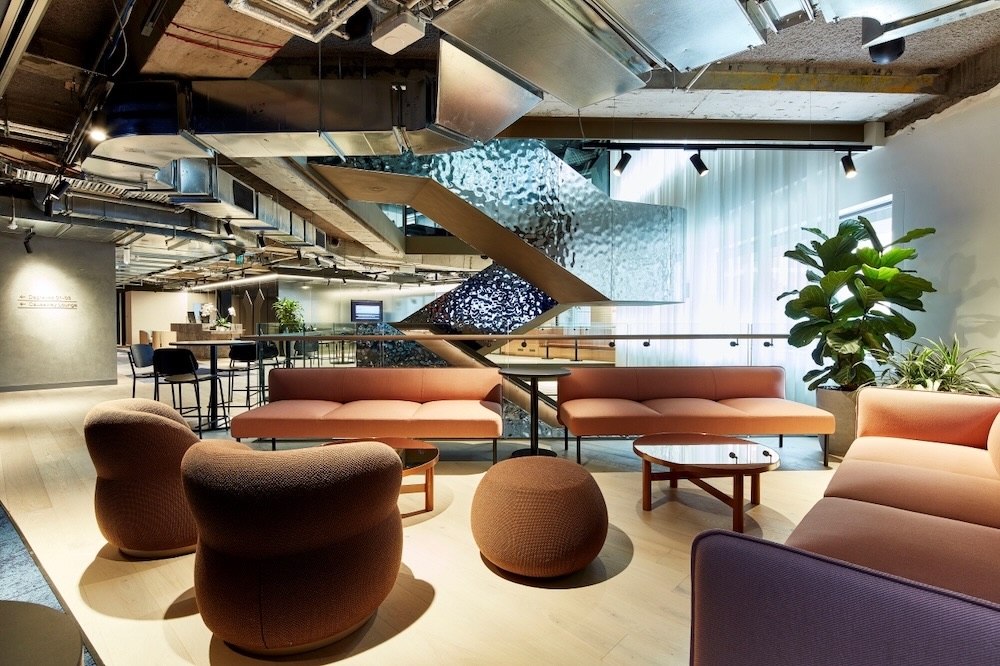
Open-plan areas encourage teams to work side by side, share ideas quickly, and coordinate tasks without waiting for formal meetings.
Coworking spaces in Australia like The Work Project capture the spirit of open-plan design, creating layouts that balance energy with focus. Marketing and product teams, for example, can easily exchange insights, align on campaigns, or troubleshoot challenges together, while still having space to concentrate when needed.
Quiet Zones
Where open-plan areas buzz with energy and cross-team interactions, quiet zones offer a completely different pace, a space for deep focus, video calls, or tasks that demand undivided attention.
Not every office has the luxury to provide both dynamic open areas and dedicated quiet corners, which is where flexible coworking arrangements in spaces like The Work Project shine. Employees can move effortlessly between collaborative zones and quiet areas, enjoying the benefits of both without being limited by fixed office layouts.
Breakout Spaces
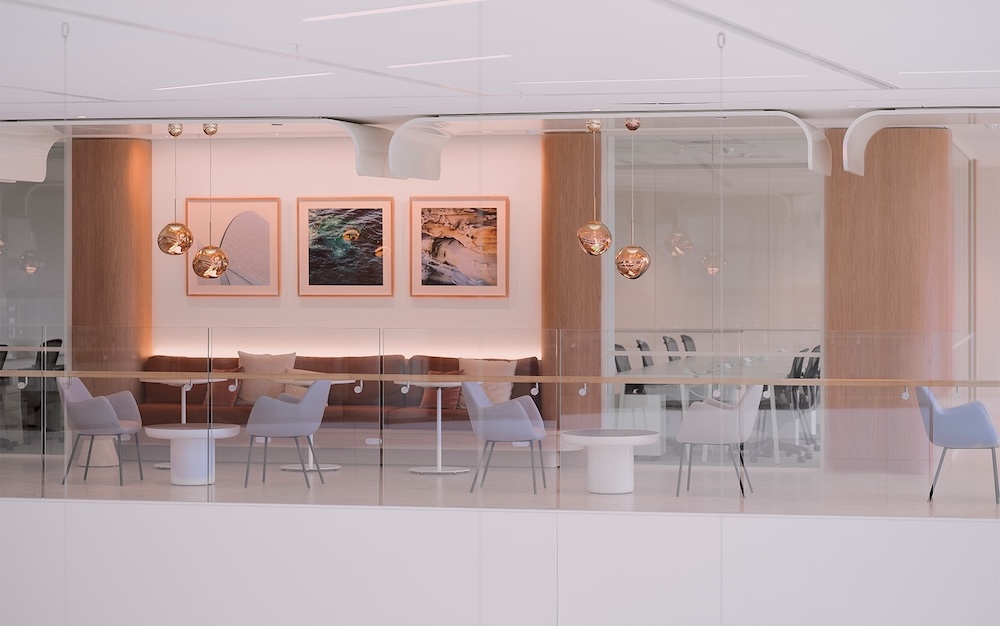
Breakout spaces are designed for informal meetings, brainstorming sessions, and casual discussions. Across Australia, they give teams a place to exchange ideas and collaborate outside formal meeting rooms.
Professional Business Resources
Even with hybrid and flexible working, some things remain essential, like printers, scanners, and office supplies. These tools keep teams productive and work moving smoothly.
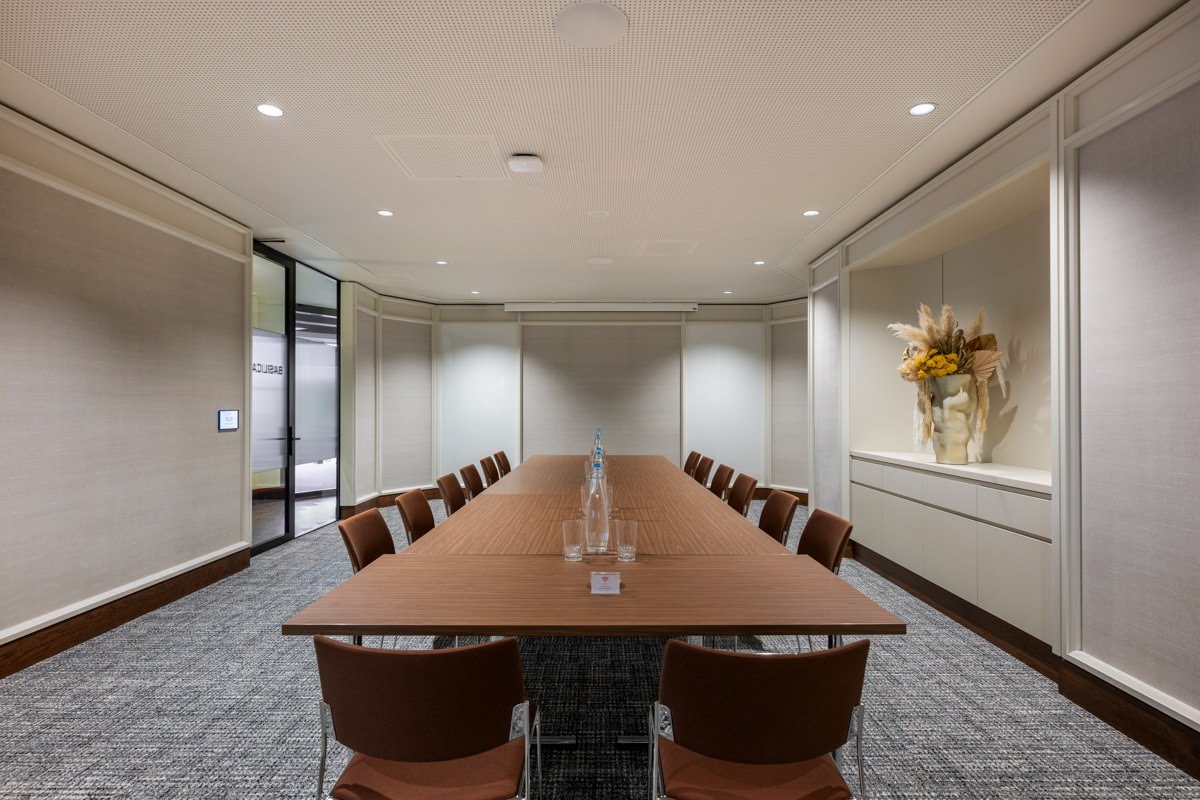
Meeting rooms and conference facilities complement these essentials, giving employees spaces to meet, plan, and make decisions efficiently. TWP members in Australia have access to both premium business amenities as well as meeting rooms and conference rooms for rent. These perks allow businesses to reduce overhead and streamline operations to align with an agile working environment.
Touchdown Areas
Touchdown areas are flexible workstations designed for staff who move between offices, work remotely, or visit periodically.
These spaces provide a professional setup with a desk, chair, and power access, allowing teams to stay connected and focused while supporting the agile workflow.
What Are the Benefits of an Agile Workplace
Improved Collaboration
By encouraging spontaneous interactions and knowledge sharing, agile workspace designs connect teams across cities. Employees across major cities in Australia can collaborate more naturally, while teams working with global offices remain aligned and productive.
Higher Employee Retention
Flexible, adaptable environments signal that a company values employee autonomy, wellbeing, and work-life balance. Staff are more likely to stay when they can choose how and where they work, and feel supported by a culture that encourages collaboration without rigid oversight.
For smaller or fast-growing businesses, this advantage can be a key differentiator against larger, slower-moving competitors.
Is Agile Working the Same as Flexible Working?
The terms “agile working” and “flexible working” are often confused. Flexible working covers when and where work happens, remote, hybrid, or staggered hours. An agile working environment goes further, shaping how work is done through adaptable spaces, workflows, and collaborative tools.
For Australian businesses with teams across multiple cities, the distinction matters. Flexible working offers choice, but agile working ensures that choice is supported by structure, systems, and processes, helping teams stay aligned, productive, and consistent across locations.
Is Your Business Ready for an Agile Workspace?
Ask yourself these questions to see if agile working could work for your team:
- Do your teams operate across multiple Australian cities or time zones?
- Are employees seeking more autonomy while staying connected to colleagues?
- Does your business require frequent collaboration across departments or projects?
- Are you in a fast-moving sector like tech, creative, or professional services?
- Could your current office space benefit from more flexibility and better utilisation?
If you answered yes to several of these, adopting an agile workspace can help your business stay nimble, support employee wellbeing, and maintain high productivity across locations.
Bringing Agile Workspaces to Your Team
Modern Australian teams thrive when they have the freedom to choose how, where, and when they work. Agile workspaces create environments that support diverse work styles, encourage collaboration, and help teams respond quickly to changing business needs.
However, adopting this approach isn’t always straightforward. Businesses may face challenges in reshaping company culture and finding the right office spaces.
At The Work Project, we offer private office coworking spaces designed to embody agile principles. Our offices in prestigious business districts across Sydney, Melbourne, Brisbane, and Perth combine private work areas, collaborative zones, and flexible setups to help teams implement agile practices without a full-scale office redesign.
Experience how an agile workspace can transform your team’s productivity and engagement. Book a private tour of The Work Project and discover how our spaces can help your business work smarter, stay connected, and thrive in Australia’s business landscape.