How to Create an Agile Working Environment in the UK?
Mar 24, 2026
Traditional offices once revolved around fixed desks, rigid schedules, and teams working side by side every day. That model is steadily evolving across the UK. Hybrid working has become firmly embedded in many organisations, particularly in London.
Agile working environments have emerged as a practical response to these changes. Instead of relying on static layouts and rigid routines, agile workplaces are designed to support different ways of working.
For UK organisations navigating hybrid schedules, international teams, and rising office costs, agile work environments offer a framework for making workplaces more responsive, efficient, and adaptable.
What is the Meaning of an Agile Work Environment?
An agile workplace model recognises that employees perform different types of work throughout the day and need environments that support those shifting demands. To bring such a workplace to life, organisations should focus on flexibility, thoughtful office design, and work methodology.
Flexibility and Adaptability
One of the defining features of an agile workspace is the freedom it gives employees to decide where and how they work most effectively. Employees may coordinate with colleagues in different time zones or travel between offices and client meetings.
Agile workplaces support these realities by creating environments that accommodate fluctuating attendance and varied work patterns.
Physical Office Design
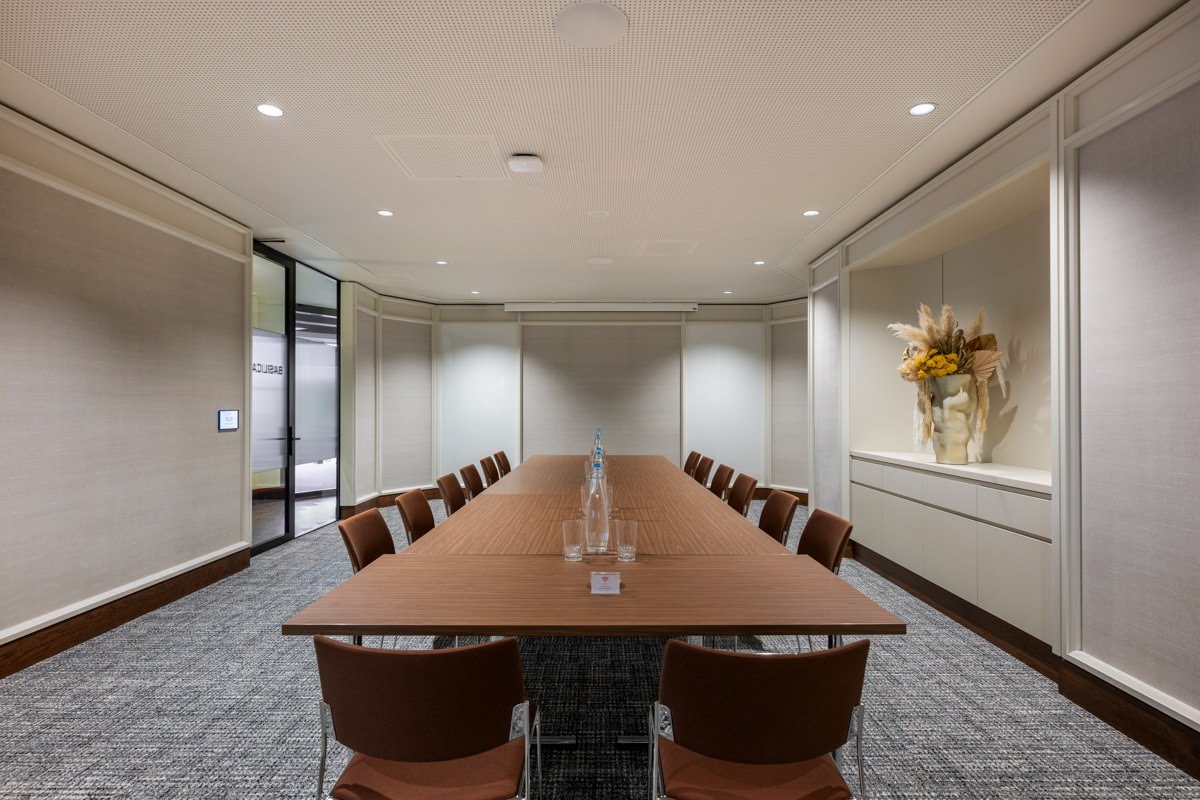
Agile workspaces also reshape how offices are designed. Most agile office spaces incorporate a mix of collaborative zones, private offices, quiet areas, and informal meeting spaces.
In high-demand office markets such as London, where space is both limited and expensive, organisations can support different work styles while avoiding the need for frequent renovations or expansions.
Work Methodology
The meaning of an agile work environment stretches beyond physical space. It also reflects a broader approach to how work is organised and delivered. Many agile teams focus on shorter development cycles, continuous feedback, and outcome-based goals rather than rigid processes.
Digital tools play a key role in enabling this approach. Platforms widely used across the UK, such as Microsoft Teams, Slack, or Notion, support collaboration between offices, remote employees, and international partners while keeping work aligned and transparent.
Types of Agile Workspaces in London and the UK
Open Plan Spaces
Open-plan areas remain one of the most recognisable elements of agile office design. These spaces encourage conversation, quick discussions, and easier interaction between departments.
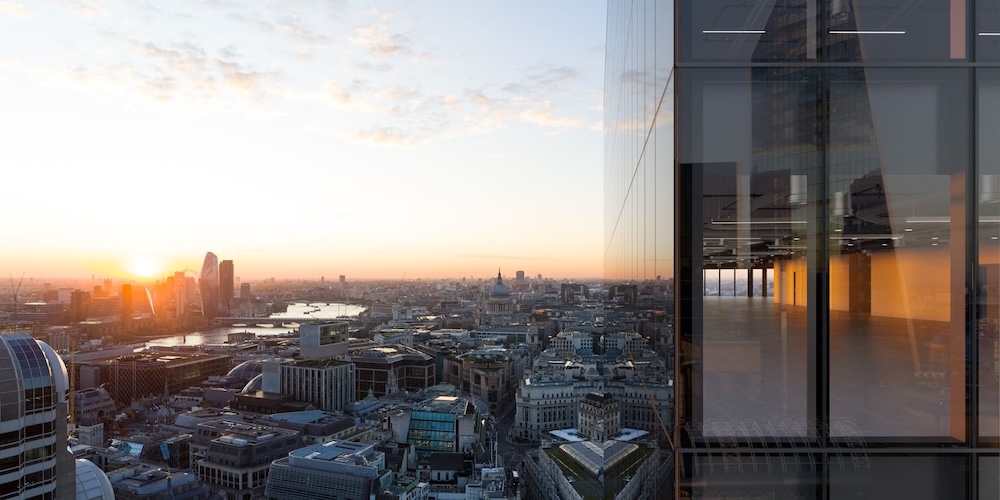
Flexible offices in the UK, such as The Work Project’s Leadenhall coworking space in central London, reflect this philosophy through open and thoughtfully designed layouts that encourage natural interaction between teams.
Quiet Zones
While open areas encourage collaboration, quiet zones serve the opposite purpose. These spaces are designed for tasks that require concentration, such as writing, research, or detailed project work.
In busy urban offices, quiet zones provide employees with a place to step away from noise and focus without distractions.
Breakout Spaces
Breakout areas offer a more relaxed setting for informal conversations, brainstorming sessions, or quick team discussions. Comfortable seating and flexible layouts make these spaces well-suited for creative thinking or spontaneous meetings.
Across industries such as technology, professional services, and creative sectors, these informal areas help teams exchange ideas more freely than they might in traditional meeting rooms.
Resource Areas
Even in modern hybrid offices, certain resources remain essential. Printers, scanners, and other shared tools still play an important role in day-to-day operations. Centralised resource areas bring these essentials together in one location.
Touchdown Areas
Touchdown areas provide temporary workstations for employees who are only in the office occasionally. These spaces allow staff to quickly settle in, connect their devices, and begin working without needing a permanent desk.
For professionals travelling between London and regional offices, touchdown areas offer a convenient base for short visits, meetings, or collaborative sessions.
What are the Benefits of an Agile Workplace
Agile working environments offer a range of advantages for organisations and employees alike.
- Improved Collaboration: Open layouts and shared spaces make connecting with both local and international colleagues easier.
- Higher Employee Retention: Flexible workspaces meet employee expectations for autonomy and balance, helping organisations attract and retain talent in competitive sectors.
- Better Space Efficiency: Agile layouts adapt to hybrid schedules and fluctuating office attendance, making them particularly valuable in high-rent locations.
- Increased Productivity and Engagement: Employees can select the environment that suits their tasks, from focused work to team projects.
- Maximised Space Management: Flexible spaces accommodate multiple teams and work styles within the same footprint.
Is Agile Working the Same as Flexible Working?
The terms agile working and flexible working are often used interchangeably, but they refer to slightly different ideas.
Flexible working typically focuses on when and where work takes place. This might include remote work, adjusted schedules, or compressed working weeks.
Agile working expands on this concept by addressing how work is organised and delivered. It combines flexible arrangements with thoughtful office space design, digital collaboration tools, and processes that allow teams to respond quickly to changing priorities.
For UK organisations managing distributed teams across cities and international offices, understanding this distinction can help ensure that workplace strategies support both operational efficiency and employee experience.
Who is the Agile Working Environment Best Suited For in the UK?
Agile workplaces can benefit a wide range of organisations and professionals across the UK.
- Employers managing hybrid teams: Ideal for businesses supporting staff who split their time between home and the office.
- Organisations with multi-location teams: Useful for companies with teams in London, regional UK cities, or international offices, enabling smoother collaboration.
- Employees seeking autonomy: Supports professionals who value choice over where and how they work.
- Teams needing both focus and collaboration: Provides quiet areas for concentrated work alongside spaces for teamwork, helping balance different work styles.
- Organisations prioritising performance: When both employees and employers align on flexibility and support, agile workplaces strengthen productivity and workplace satisfaction.
Integrate an Agile Workplace into Your Team at The Work Project
For many organisations, adopting agile working does not require redesigning an entire office. Coworking spaces provide a practical way to access environments already designed around flexible and adaptable work patterns.
The Work Project offers private office coworking spaces in London at One Leadenhall that support agile working, while maintaining a professional and thoughtfully designed environment. These spaces are designed to support hybrid teams, visiting colleagues, and organisations managing both UK and international operations.
Explore The Work Project’s coworking space in central London to see how agile environments can support your organisation’s evolving workplace strategy today.