A Singaporean’s Guide to Becoming a Digital Nomad
Mar 03, 2026
With 2026 workplace happiness indices hitting record lows and burnout affecting nearly half of the local workforce, the allure of the digital nomad lifestyle has never been stronger for those trapped in Singapore's high-pressure "Red Dot" grind, where burnout is often seen as a badge of honour.
But what is a digital nomad exactly? In essence, it's someone who leverages technology to work remotely and live a location-independent life. They aren't tied to a specific office or city; instead, they work and travel from anywhere with an internet connection. This guide provides a roadmap to help you navigate the transition, from choosing the right career to managing your finances on the road.
How Hard Is It to Become a Digital Nomad? (The Reality Check)
So, how can you become a digital nomad? Fortunately, becoming a digital nomad can be a lot simpler for us—holding what is consistently ranked as the world's most powerful passport means crossing borders for "visa runs" or applying for dedicated digital nomad visas is significantly smoother for us than for most. In 2026, Singaporeans still enjoy visa-free access to over 190 destinations, providing a massive head start in global mobility.
However, once the initial excitement of booking a one-way ticket to Chiang Mai or Lisbon wears off, a few practical considerations often kick in:
- The Discipline Gap: It is often harder than a 9-to-5 because you are simultaneously your own boss, IT support, and travel agent. Without a manager looking over your shoulder, staying productive requires a level of self-regulation that most people underestimate.
- Loneliness vs. Independence: While independence is liberating, the emotional toll of being away from family and the reliable comfort of a nearby hawker centre can be taxing. Missing out on a late-night Prata run with your friends can be a real sacrifice for the nomadic soul.
- The "Work" in "Workation": Forget the "beach and laptop" cliché. In reality, the sun's glare makes screens unreadable, and sand is the natural enemy of a MacBook’s logic board. Most productive days are spent in professional coworking spaces with stable Wi-Fi and air-conditioning, rather than by a pool.
- Physical Toll: Working from makeshift setups in cafes or hotel beds can lead to back pain. Many long-term nomads eventually seek dedicated desks or a dedicated satellite workplace to maintain their health and productivity.
Ultimately, the difficulty level depends on the nature of your work, as some roles demand strict "on-hours" for client meetings while others allow for more asynchronous flexibility.
What Do Digital Nomads Do for Work?
The 2026 job market has seen a significant shift toward flexible, informal, and digitally enabled work, as employers prioritise adaptability and cost efficiency and adopt a "remote-first" approach. With more employers valuing productivity over attendance, this transition makes it easier than ever to find a local employer who supports your wanderlust.
Some popular career paths well-suited to location independence include:
- Freelancing: Offer your skills in writing, designing, programming, or marketing. In today's landscape, specialised skills like AI Prompt Engineering and Cybersecurity are in high demand on a freelance basis. Platforms like Upwork and Fiverr connect freelancers with clients worldwide.
- Online Business: Start an online business selling products or services. E-commerce and dropshipping remain popular options for generating income remotely.
- Remote Employment: Secure a full-time or part-time remote job with a company that embraces flexible work arrangements. Sustainability Consulting is a trending field in Singapore, with many firms allowing experts to audit and advise on "green" initiatives from anywhere.
- Content Creation: Build an audience and generate income through blogging, vlogging, podcasting, or social media.
- Consulting: Offer your expertise in a specific field to clients remotely.
- Teaching Online: Share your expertise by offering online courses or tutoring services. Platforms like Coursera and Udemy make it easy to reach a global audience.
Can You Become a Digital Nomad with No Experience?
Taking the leap without a CV full of remote-ready roles can feel daunting, but you can certainly start from scratch. For younger Singaporeans or career switchers, the key is to start local. Before booking a flight, consider finding remote freelance work while still in Singapore to build a solid portfolio and steady income.
Focus on "beginner-friendly" remote jobs that prioritise reliability over deep technical expertise:
- Virtual Assistance: Managing emails, schedules, and basic admin.
- Data Entry: Handling information processing for global firms.
- English Tutoring: Helping students in regional hubs like Japan or Korea.
- Social Media Management: Scheduling posts and engaging with communities for SMEs.
Instead of worrying about how you can find work with zero background, adopt a "Skill-First" approach. Use your SkillsFuture credits to take online courses in digital marketing or data analytics. This allows you to bridge the gap and gain essential certifications before you ever set foot in Changi Airport.
Getting Your Digital Nomad Visa
So, how can working remotely across borders actually become legal? This is where the Digital Nomad Visa (DNV) comes in. While many countries are tightening their borders, others are rolling out the red carpet for remote professionals. For Singaporeans, the high-intent phase of becoming a digital nomad usually involves shortlisting destinations that offer a clear legal pathway.
While every country has its own quirks, most applications share a common baseline. You will typically need a clean criminal record, comprehensive international health insurance, and a formal letter from your employer (or client contracts if you're a freelancer) proving your role is 100% remote.
The biggest hurdle, however, is the financial threshold. Eligibility is often pegged to a multiple of the local minimum wage.
- Malaysia (DE Rantau Nomad Pass): The closest and most affordable entry point. It allows you to stay for up to 12 months (renewable for another 12) while enjoying a familiar food culture just a bus ride away.
- Eligibility criteria: Minimum annual income of USD 24,000 (approx. SGD 30,300) for tech roles, and USD 60,000 (approx. SGD 76,026) for non-tech roles.
- Thailand (Destination Thailand Visa - DTV): A massive favourite for its five-year validity. It allows stays of up to 180 days per entry, perfect for those who want a long-term base in Bangkok or the co-working hubs of Chiang Mai.
- Eligibility criteria: Rather than a monthly salary, you must show proof of funds of at least THB 500,000 (approx. SGD 20,000) for the past 3 months in your bank account.
- Japan: Recently launched a 6-month nomad visa specifically for high-earning professionals from 49 countries, including Singapore. It’s ideal for those wanting to experience a full seasonal cycle from Sakura to snow.
- Eligibility criteria: Documents proving that your annual income is JPY 10 million (approx. SGD 81,810) or more.
- Spain & Portugal: These remain the gold standard for a European base. Spain’s digital nomad visa and Portugal’s D8 visa provide residency and a gateway to travel freely within the Schengen Area.
- Eligibility criteria: Spain adjuists their income requirements based on the minimum wage, with the minimum required amount equivalent to 200% of the monthly Spanish national minimum wage. If you are travelling with family, an additional 75% of the Spanish minimum wage must be factored for the first family member, then 25% of the Spanish minimum wage for every additional applicant after.
Building a Sustainable Remote Income
Financial stability is the backbone of a location-independent life. For Singaporeans, this means looking beyond your monthly paycheck and understanding your long-term obligations back home:
- Diversify Your Income Streams: Don't rely on a single client or project. Spreading your risk across multiple sources ensures that if one project ends, your nomadic journey doesn't have to.
- Set Realistic Financial Goals: Create a budget that accounts for your travel expenses, local living costs, and long-term savings. Living in a lower-cost country doesn't mean you should spend everything you earn.
- CPF & Taxes If you are a freelancer working for overseas clients, you are still legally a Self-Employed Person (SEP) in the eyes of the government. You remain responsible for your mandatory Medisave contributions based on your Net Trade Income. Furthermore, if you remain a Singapore Tax Resident (generally by spending at least 183 days a year in the country or having your permanent home here), you must understand your obligations to IRAS to avoid nasty surprises during tax season.
- Leverage Multi-currency Accounts: Avoid the high FX fees and poor exchange rates of traditional Singapore banks. Use digital multi-currency tools like YouTrip, Wise, or Revolut to see how working and spending in local currencies can be managed without losing a chunk of your hard-earned income to "admin fees."
- Save and Invest: Prioritise long-term financial stability by investing a portion of your income. Since you may be missing out on employer CPF top-ups, being proactive with your private investments is essential for a comfortable retirement.
Tips for Thriving as a Singaporean Digital Nomad
Successfully navigating the digital nomad lifestyle requires more than just a powerful passport; it demands a shift in how you maintain your health and work-life boundaries. Transitioning from a structured office to a location-independent life means grouping your traditional habits with a new local context. While specific skills vary depending on your career, here are some essential abilities you need to possess:
- Stay Healthy Beyond the Border: Prioritise your physical well-being by securing an international health insurance plan. Don't rely on a standard "7-day travel insurance" policy meant for holidays. As a nomad, you need comprehensive coverage for GP visits and chronic care across multiple countries—remember that your MediShield Life and Integrated Shield Plans generally do not cover medical expenses incurred outside of Singapore.
- Managing Work Across Time Zones: Singapore is situated in the UTC+8 time zone, which is arguably the "sweet spot" for remote work. If you choose to nomad within Asia—in hubs like Bali, Taipei, or Perth—you’ll find finding work and collaborating with local clients seamless, as there is little to no time difference. This allows you to enjoy the nomadic lifestyle without the 3 AM Zoom calls often required when dealing with Western markets.
- Establishing a Routine: To prevent burnout, separate your "travel self" from your "work self." Maintaining a sense of normalcy is easier when you have a go-to ritual. Many nomads find that visiting a gym before work provides the mental clarity needed to tackle a day of deep work in a new city.
The Importance of a Productive Workspace
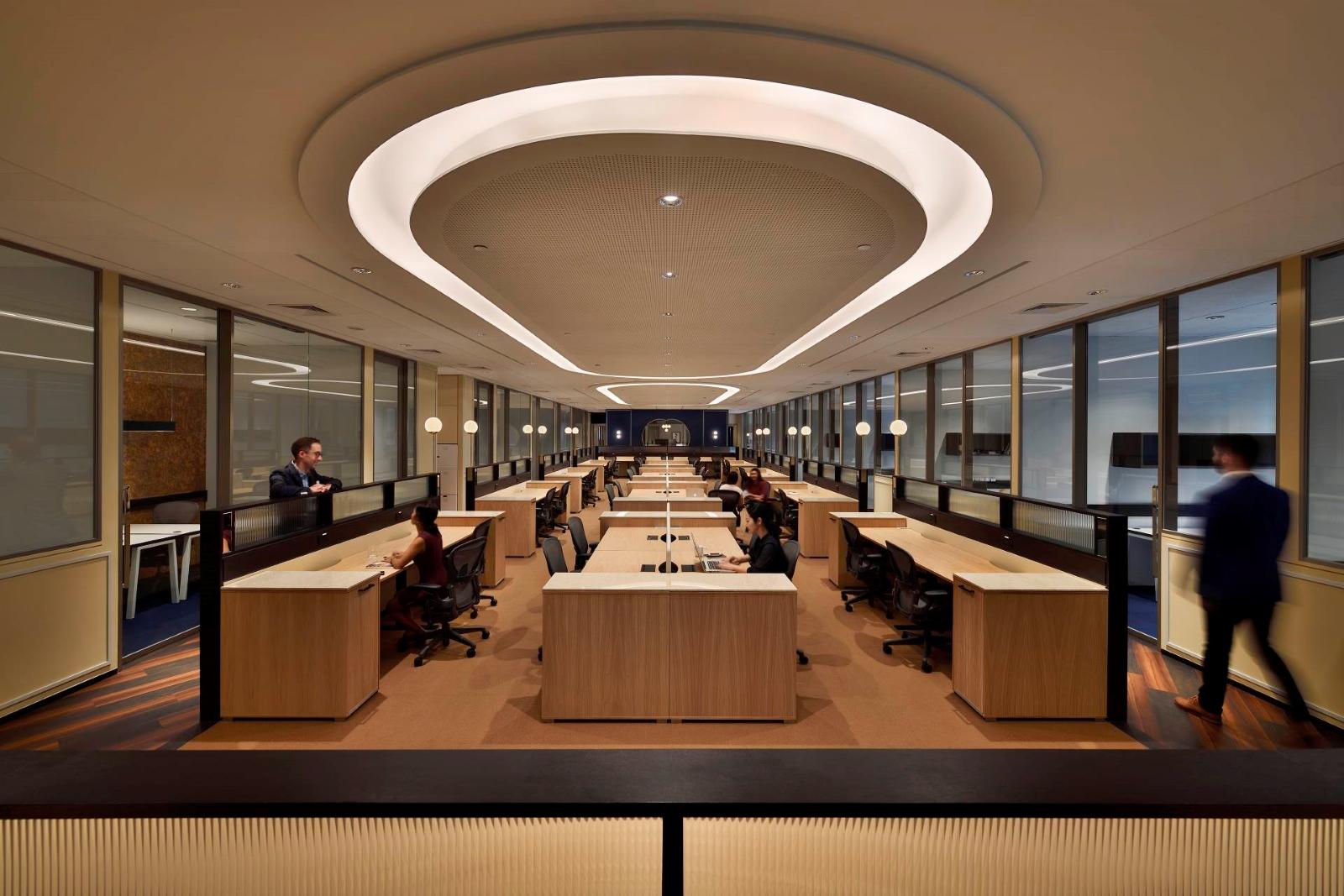
While the freedom of working from anywhere is a major draw for any digital nomad, the lack of a dedicated environment can quickly hinder your output and well-being. This is where the transition from a "laptop on a beach" fantasy to a functional reality occurs. Relying on patchy café Wi-Fi is rarely sustainable, which is why professional coworking spaces have become the essential infrastructure for the location-independent professional.
The Work Project provides a seamless global network that supports this lifestyle across major business hubs. For Singaporeans, these locations serve as more than just offices; they also provide a reliable landing spot amidst the chaos of international travel, offering the stability of dedicated desks and a community of like-minded individuals.
Becoming a digital nomad is an exciting journey that offers immense personal growth, but it requires more than just an itinerary. Before you commit to a one-way ticket and trade the familiar for the unknown, it is wise to "test the waters" of a remote setup. Use our flexible shared office solutions to simulate your nomadic life right here in Singapore.
Ready to embrace the lifestyle? Explore The Work Project's flexible workspace options and meeting rooms for rent today to create a fulfilling nomadic experience that actually works!