Singapore Business Culture: Customs, Etiquette, and What Every Professional Should Know
Apr 24, 2026
Singapore sits at one of the world's great commercial crossroads. Multinational corporations, regional headquarters, and homegrown enterprises operate side by side in a city that has spent decades positioning itself as Asia's most reliable place to do business.
But international connectivity does not mean cultural uniformity. Beneath Singapore's efficient, English-speaking surface lies a professional landscape shaped by multiple communities, inherited values, and social codes that reward those who take the time to understand them.
Whether you are walking into a meeting with a local family business or a regional MNC, cultural awareness is not a soft skill here. It is a practical one. Here’s a guide on how to do business in Singapore and the customs and etiquette to understand for professionals looking to expand in the nation or the region.
Understanding Singapore's Business Environment
Singapore's workforce reflects the country's three main ethnic communities: Chinese, Malay, and Indian, alongside a significant expatriate population drawn from across the globe. Each community brings its own professional norms, communication preferences, and relationship-building traditions, and in practice, these often operate in parallel rather than blending into a single homogenous style.
English is the language of business across the board, which can create a false sense of familiarity for Western professionals. The words may be the same, but the expectations around hierarchy, communication, and conduct frequently are not.
Singapore consistently ranks among the world's most competitive economies, and professionals here arrive to meetings prepared, on time, and with purpose. These are not optional courtesies. They are baseline expectations.
Key Business Customs in Singapore
Hierarchy and Respect
Seniority carries genuine weight in Singapore's professional culture. In traditional local companies and family-owned businesses, particularly, decision-making tends to flow from the top down, and the most senior person in the room commands a corresponding level of deference.
Use formal titles until you are clearly invited to move to first names. Assuming informality too early can read as presumptuous rather than warm. Understanding where people sit in an organisational structure matters before you walk into a room, not after.
Business Meeting Etiquette in Singapore
Punctuality is non-negotiable. Arriving late signals disrespect regardless of your seniority or the reason, and the impression is difficult to recover from in a culture where first meetings carry lasting weight.
Business cards are exchanged with both hands, a gesture that signals respect for the individual behind the card. When you receive one, take a moment to read it properly before setting it aside carefully. Pocketing it immediately or writing on it in someone's presence are considered dismissive.
Meetings in Singapore tend to follow a structured format. Arrive with a clear agenda, have your supporting materials prepared, and avoid arriving underprepared with the expectation that conversation will fill the gaps.
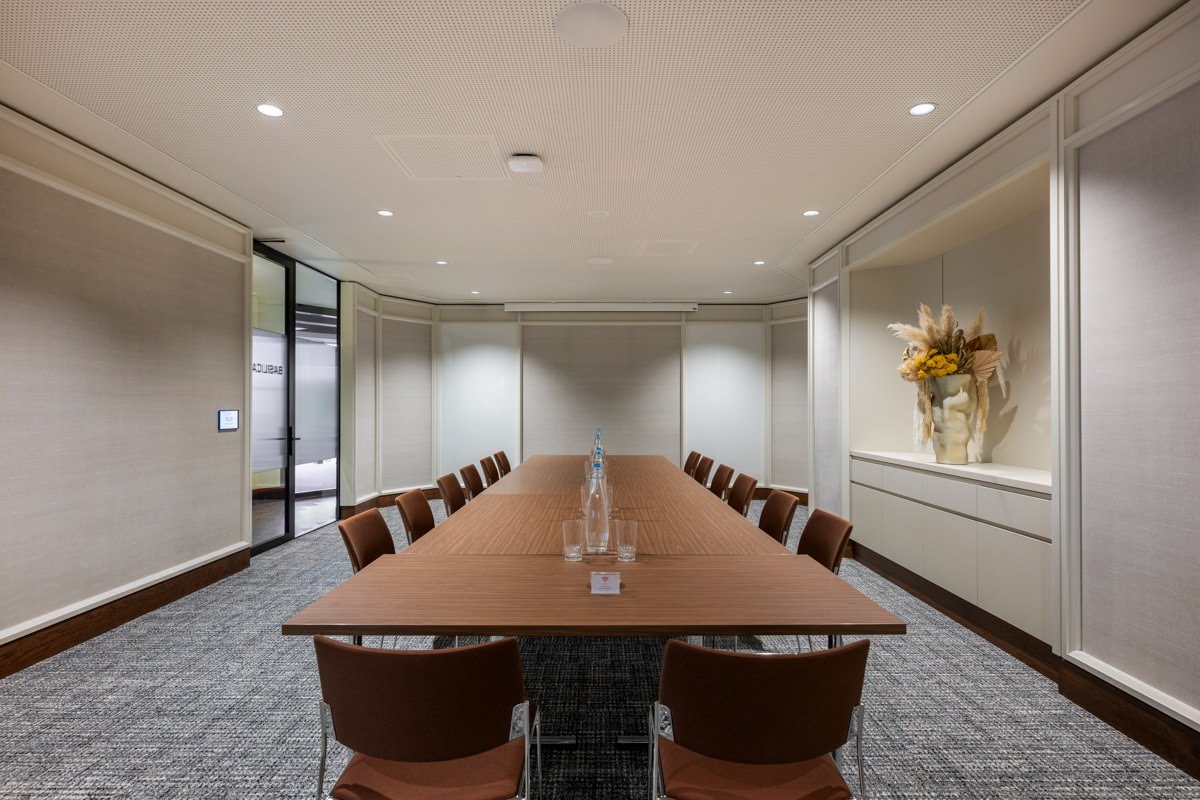
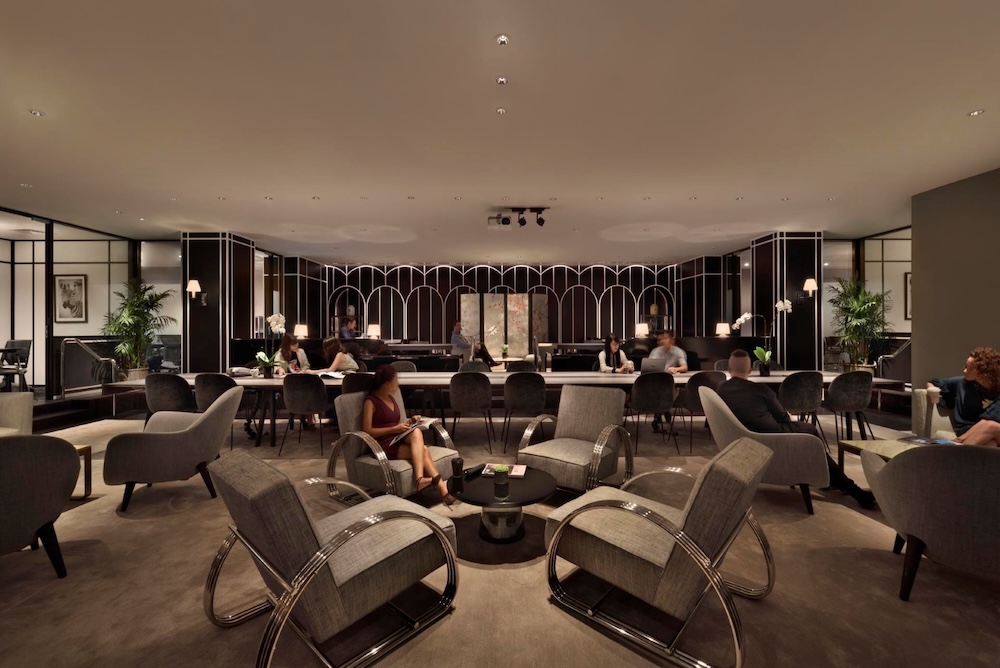
The same attention extends to the venue. Hosting a meeting from a professional coworking office in Singapore's CBD, rather than a casual café, signals the same preparedness you would bring to the agenda itself.
Communication Style and Face
The concept of "face," broadly understood as social standing, dignity, and reputation, is central to professional interactions across much of Singapore's business culture. Protecting face, both your own and your counterpart's, shapes how feedback is delivered, how disagreements are handled, and how decisions are communicated.
Singaporeans generally favour indirect communication over blunt challenge. A hesitant response or a polite deflection may carry more meaning than a direct refusal. Public disagreement or any exchange that places a counterpart in an embarrassing position is best avoided entirely.
Sensitive concerns are far better raised privately, where the conversation can happen without an audience.
Relationship Building and Guanxi
Singapore is more transactional in orientation than some of its regional neighbours, but professional relationships still matter. Trust is built gradually, and the business lunch, informal industry catch-up, or evening event is where much of that groundwork is laid.
Hospitality is taken seriously here. If someone hosts a meal, reciprocating the gesture is an expected part of sustaining the relationship over time. These are not peripheral social niceties. They are part of how business gets done.
Business Customs Across Singapore's Key Communities
Chinese Business Culture in Singapore
Confucian values run through the professional norms of Singapore's Chinese business community: hierarchy, loyalty, and a long-term view of relationships all carry weight. Guanxi, the network of mutual obligations and trust built over time, is particularly important when working with Chinese business owners or family enterprises.
Gift-giving is common and appreciated, but requires thought. Certain items carry negative symbolism. Clocks are associated with death, and scissors suggest a severing of ties. When in doubt, food, premium consumables, or branded corporate gifts are safer choices for business gifts in Singapore. Lunar New Year is one of the most meaningful moments in the calendar for client appreciation and relationship maintenance.
Malay Business Culture in Singapore
Islamic values shape professional conduct in Singapore's Malay business community in ways that are practical to understand. Avoid scheduling significant meetings during Friday prayer times or during key Muslim observances such as Ramadan and Hari Raya. When hosting meals or corporate events, halal considerations are essential, not optional.
Modesty and respect for elders are core values that extend naturally into meeting and negotiation settings. A measured, respectful tone will always land better than an overly assertive approach.
Indian Business Culture in Singapore
Family-run businesses are prevalent within Singapore's Indian business community, and personal trust is typically established well before formal contractual discussions begin. Decision-making often involves extended stakeholder consultation, so build sufficient time into your timeline and avoid treating deliberation as delay.
Deepavali and other significant occasions are natural touch points for client appreciation. Acknowledging these moments, even simply, demonstrates cultural attentiveness that strengthens professional bonds over time.
Professional Mistakes to Avoid When Doing Business in Singapore
The most common misstep among international professionals is assuming Singapore operates on Western professional norms because the surface markers, English, suits, glass towers, suggest familiarity.
The second is underestimating how profoundly face-saving shapes negotiations, conflict resolution, and the way difficult news is delivered.
The third is prioritising transactional efficiency at the expense of the relationship itself. Singapore rewards preparation and professionalism, but it also rewards patience.
The Work Project: Where First Impressions Are Made
In a business culture where the environment carries meaning, where you host a meeting speaks before you do. A well-chosen address in Singapore's CBD communicates credibility, preparation, and an understanding of how professional relationships are conducted here.
The Work Project's serviced offices and private meeting rooms for rent across Singapore's core business districts provide exactly that setting. For international visitors and established local teams alike, the right environment is not incidental. It is part of the message.
Host your next client meeting or explore coworking options at The Work Project. Book a tour today.