How to Write an Invoice for Freelance Work in Australia
Mar 03, 2026

Australia’s freelance and contractor economy continues to grow, with more professionals operating as sole traders, consultants, and independent creatives. While the flexibility is appealing, freelancing in Australia also means running a compliant, financially organised business.
Knowing how to write an invoice for freelance work is no longer just about getting paid. It’s about meeting client expectations, complying with Australian Taxation Office (ATO) requirements, and building a sustainable freelance practice.
Whether you're figuring out how to make an invoice for freelance work for the first time or refining your systems as an experienced contractor, this guide will walk you through everything you need to know.
Why Proper Invoicing Matters for Freelancers
In Australia, invoicing is closely linked to tax obligations, BAS reporting, and business credibility. It is not just administrative work. It forms part of your operating framework.
Professional Credibility
Australian companies, be it boutique agencies or listed enterprises, operate within structured finance systems. If your invoice for freelance work is incomplete or unclear, it may be rejected or delayed.
A well-structured invoice shows that you understand how business works. It signals reliability. For contractors billing larger organisations, this clarity can speed up approvals and reduce friction.
When learning how to invoice as a freelancer, remember that presentation matters as much as content.
Tax Organisation and BAS Readiness
Every invoice feeds into your quarterly BAS and annual tax return.
If you are registered for GST, your invoices must accurately reflect this. Mistakes in GST calculation can complicate reporting and reconciliation.
Developing strong invoicing habits simplifies ATO reporting and reduces stress during tax season. Clean records now prevent administrative headaches later.
Legal and Contractual Clarity
An invoice also acts as confirmation of:
- Work delivered
- Rates agreed
- Milestones completed
For contractors and project-based freelancers, this documentation reinforces agreed terms and protects both parties.
Cash Flow Predictability
Payment terms of seven, 14 or 30 days are common across Australian businesses. Some corporate clients may take longer.
As a freelancer responsible for your own tax, super contributions, insurance, and operating costs, timing matters. Clear invoices with defined due dates help support stable income flow.
What to Include in Your Freelance Invoice
If you are unsure how to invoice a company for freelance work in Australia, these elements are essential.
Your Business Information
Include:
- Your legal name or registered business name
- Your Australian Business Number (ABN)
If you are GST-registered, the invoice must be labelled as a Tax Invoice and clearly display GST. If you do not provide an ABN, clients may be required to withhold tax from your payment.
Client’s Information
List the correct legal entity name, billing address, and relevant finance contact. Even small errors can delay processing.
Invoice Number
Use a sequential numbering system. This helps both you and your client track payments and reconcile records efficiently.
Issue Date and Due Date
State clearly:
- Date of invoice issuance
- Payment deadline
Common payment terms in Australia are seven, 14, or 30 days. Align your due date with your client’s finance cycle if agreed in advance.
Description of Services
Avoid vague language. Instead of general phrases, itemise your work clearly. For example:
- Website copywriting for homepage
- Social media campaign planning for May
Specific descriptions reduce disputes and clarify the value delivered.
Rates and Fees
Detail:
- Hourly rates multiplied by hours
- Fixed project fees
- Retainer amounts
Always remember: Transparency builds trust.
Subtotal, GST, and Total Payable
If you’re registered for GST:
- Add 10 percent GST
- Show GST as a separate line
- Include your ABN
- Label the document as a Tax Invoice
If not registered for GST, do not include it.
Payment Instructions
Provide:
- Bank account details, including the Bank State Branch (BSB)
- Accepted payment methods
- Any agreed late payment terms
Step-by-Step Guide to Creating a Freelance Invoice
If you are still asking how to make an invoice for freelance work that is compliant and credible, follow this structure.
Step 1: Use a Consistent Template
A standardised template ensures nothing is overlooked. Consistency also strengthens your professional image with repeat clients.
Step 2: Align With Your Proposal or Contract
Your invoice should reflect the agreed deliverables. Misalignment creates confusion and delays.
Avoid bundling multiple deliverables into a single, unclear line item.
Step 3: Double Check Calculations
Review:
- Hours
- Rates
- GST
- Final total
Even minor errors can affect payment timing.
Step 4: Apply GST Correctly
If you are GST-registered, ensure the 10 per cent calculation is accurate and clearly displayed. Proper GST handling avoids complications during BAS reporting.
Step 5: Set Clear Payment Expectations
State your due date confidently. In Australian business culture, clarity upfront is more effective than chasing payments later.
Step 6: Review Before Sending
Proofread for spelling, numbers, and formatting errors before sending. Professionalism is reflected in details.
Choosing the Right Invoicing Method
Your invoicing system should match your business scale.
Manual Templates
Suitable for:
- New freelancers
- Low client volume
Basic templates can work effectively when invoice frequency is low.
Dedicated Invoicing Software
Beneficial for freelancers who:
- Lodge BAS quarterly
- Need GST tracking
- Manage recurring invoices
Automation reduces manual entry and calculation errors.
Integrated Business Platforms
Ideal for:
- High-volume contractors
- Freelancers scaling into small agencies
These platforms centralise invoicing, expense tracking, and reporting.
Professional Image and Where You Work
As your freelance business grows, invoicing is not the only system that shapes how clients perceive you. Your working environment and business presence also contribute to how seriously you are taken.
While many Australian freelancers begin from a home setup, there often comes a point where business conversations become more formal. You may need to meet a client in person, host a planning session, or operate in a setting that reflects the level of service you provide. In these moments, your environment becomes part of your overall brand.
A structured, professional workspace supports focus during administrative tasks such as preparing contracts and managing invoices. It also creates a clear separation between personal life and business operations, which is essential for long-term sustainability.
Beyond physical workspace, having a virtual business address can further strengthen your professional image. For sole traders and contractors who prefer flexibility, a recognised business address adds credibility to your invoices, proposals, and website without requiring a full office lease. It signals that you are operating a serious business, not simply freelancing casually from home.
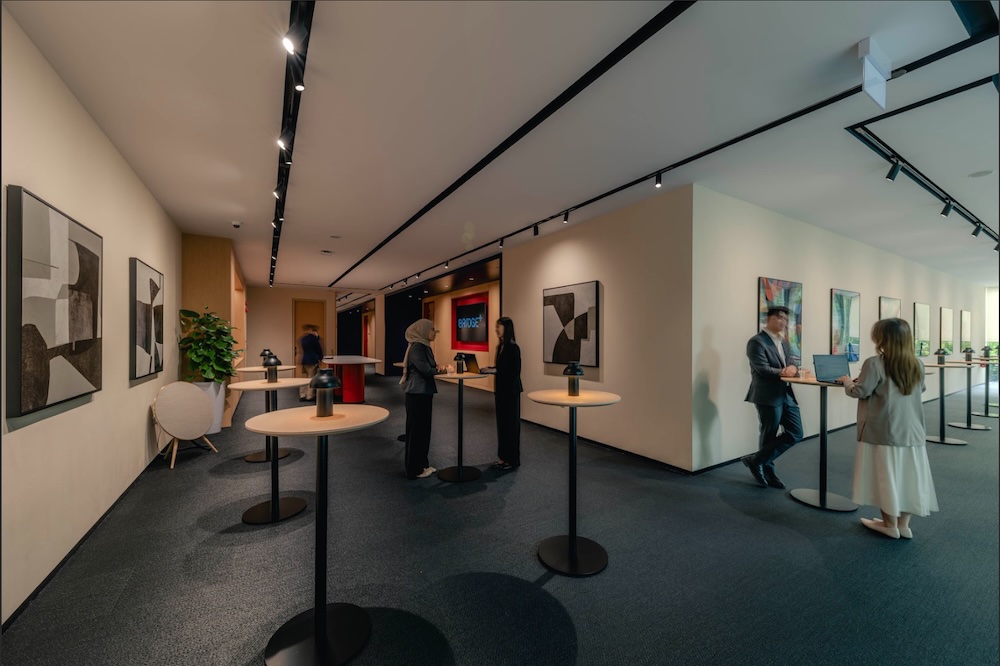
For independent professionals who want flexibility without long-term lease commitments, working from a coworking space in Australia offers a practical middle ground. It provides business-grade internet, meeting facilities, and a credible setting for client interactions.
Options such as hot desk rental arrangements allow freelancers to maintain a professional base that grows with their workload. Rather than viewing workspace as an optional extra, many experienced contractors treat it as part of their operational framework.
For freelancers who are ready to strengthen both their systems and their presence, The Work Project Australia provides environments and virtual office solutions designed to support productivity, credibility, and long-term growth.
Building a Sustainable Freelance Business in Australia
Understanding how to write an invoice for freelance work correctly is one of the foundations of sustainable freelancing.
Strong invoicing practices support:
- ATO compliance
- Financial visibility
- Predictable income
- Professional reputation
Freelancing in Australia is more than delivering projects. It is about building systems that allow your business to grow. As your operations mature, consider how your administrative processes and your working environment contribute to that growth. Clear systems and professional settings create long-term stability.