A British Guide on How To Become a Digital Nomad
Mar 03, 2026
For many UK professionals, changing career paths to become a digital nomad has evolved from a daydream into a strategic career move. The prospect of maintaining a UK-level salary while living in a more affordable location is tantalising for those with the right mindset and requisite skills.
But since Brexit, the question of how to become a digital nomad has become far more complicated. With the 90-day Schengen limit, staying abroad long-term requires a professional strategy for visas, tax, and infrastructure.
To help individuals in the UK looking to work remotely, we’ve put together a guide for navigating that transition. From shifting work habits to finding the right job scope that allows you to travel, the following pointers act as a roadmap to turn your aspirations into reality.
How Hard Is It to Become a Digital Nomad?
Being a digital nomad is not an extended holiday. It requires a level of self-management that most office jobs do not demand.
- The Discipline Gap: You are your own IT support, HR, and office manager. You must be able to hit deadlines without micro-management.
- The Social Shift: Leaving the UK means leaving the office culture behind. You have to be proactive about building a new community from scratch.
- The Workspace: Professionalism still matters. To keep your UK clients happy, you need modern amenities like high-speed internet, a conducive work environment and a quiet space for calls.
Before starting the process of being a digital nomad, you must ensure you are psychologically prepared for what the role entails.
Building a Portable Career
Once you have cleared the personal audit, you need to ensure your career is legally and financially portable. This stage is about moving from the idea of remote work to the logistics of a global income.
- The IR35 Factor: For British freelancers, your tax status is a major consideration. Being outside IR35 offers the most flexibility for working abroad.
- The Income Threshold: Most official nomad programs require proof of a stable monthly income.
- Job Scope: Roles in fintech, creative strategy, and edtech are naturally suited for this lifestyle.
What Do Digital Nomads Do for Work?
If you’re in the UK and wondering how to work as a digital nomad, you’re in luck. The UK’s strengths align closely with some of the most nomad-friendly roles that support a global lifestyle.
- Technology and Data: Software engineering, data analysis, and cybersecurity are the most portable careers.
- Financial Services: Fintech consulting and digital accounting allow for high-level work from any location.
- Creative and Strategy: Content strategy, digital marketing, and user experience design are ideal for remote collaboration.
- Education and Consulting: Edtech and corporate training roles are increasingly shifting to fully digital models.
Can You Become a Digital Nomad with No Experience?
If you’ve never worked remotely before, don’t quit your job on a whim. Test the lifestyle by negotiating a remote trial with your current employer or finding a domestic remote role first. This builds stability while you learn the ropes.
Once you’re comfortable, consider starting your own digital freelance business. Offer services like marketing, web development, or consulting, build a portfolio, and find clients online.
Many UK freelancers maintain a virtual business address in the City of London, keeping a professional presence while working abroad. This approach gives flexibility, credibility, and the freedom to grow an international client base.
How to Get Your Digital Nomad Visa?
There’s an ever‑expanding world of official Digital Nomad Visas, and for UK travellers, several popular destinations stand out:
Brexit ended the days of moving without paperwork. For stays longer than 90 days in the Schengen Area, you will need a formal Digital Nomad Visa.
For 2026, the requirements for popular destinations have become more specific:
- Spain: You must demonstrate a monthly income of at least €2,762. You will also need to prove your professional qualifications through a degree or three years of relevant experience.
- Portugal: The income requirement has increased to €3,480 per month. You must also show significant savings to qualify.
- Greece: This remains a popular choice with an income threshold of €3,500 per month. You must also provide medical insurance and proof of accommodation.
- Dubai: The Virtual Work Visa offers an enticing zero percent personal income tax. You must show proof of employment with a non-UAE company, a one-year contract, and a minimum monthly income of USD $3,500.
Managing Your Financial Footprint
Living abroad does not end your financial relationship with the UK. You must proactively manage your tax and banking.
- The Residency Test: Maintaining a home, family, or work ties in the UK can mean you remain a UK tax resident for your global income.
- National Insurance: Rules for voluntary contributions are changing in 2026. To protect your future UK State Pension, you may need to switch to Class 3 contributions.
- Banking Logistics: High street banks often charge significant fees for international spending. Moving your day-to-day finances to digital banks like Starling or Revolut can eliminate these costs.

How The Work Project UK Supports Your Journey
The real challenge of digital nomad life isn’t the travel, it’s delivering work that lives up to your UK-level salary. Unreliable cafés, spotty Wi‑Fi, and makeshift setups can undermine your professionalism and reputation.
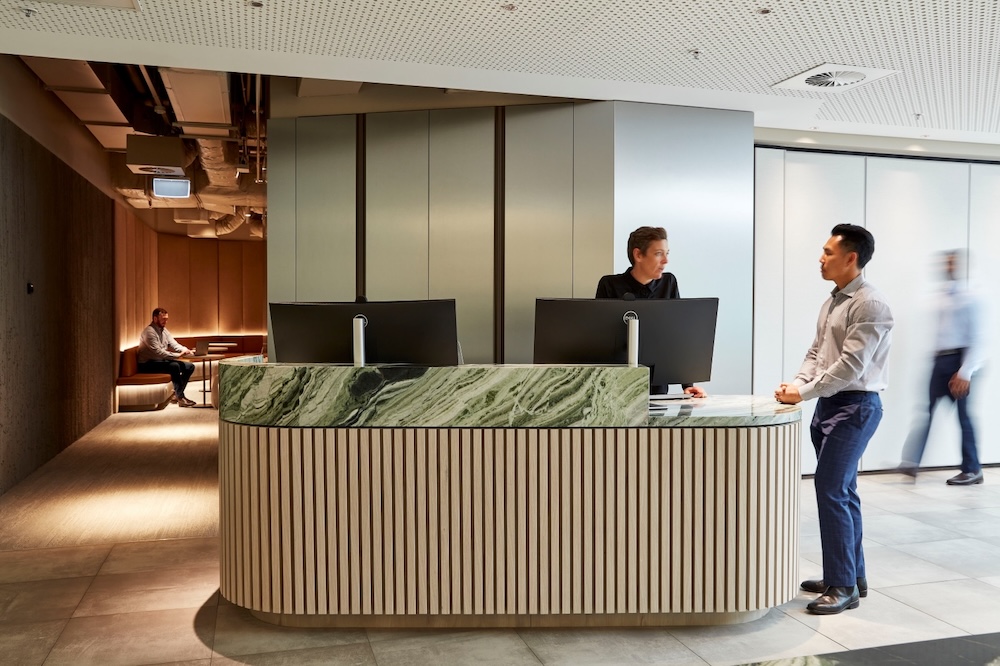
To help digital nomads on their journey, The Work Project offers a dependable solution: high-speed internet, ergonomic coworking spaces with fully equipped offices that transform a transient lifestyle into a sustainable, respected career.
Here are some of the benefits you stand to gain:
- A Professional Anchor: A dedicated hub offers the professional, ergonomic environment required to deliver consistent results for UK clients.
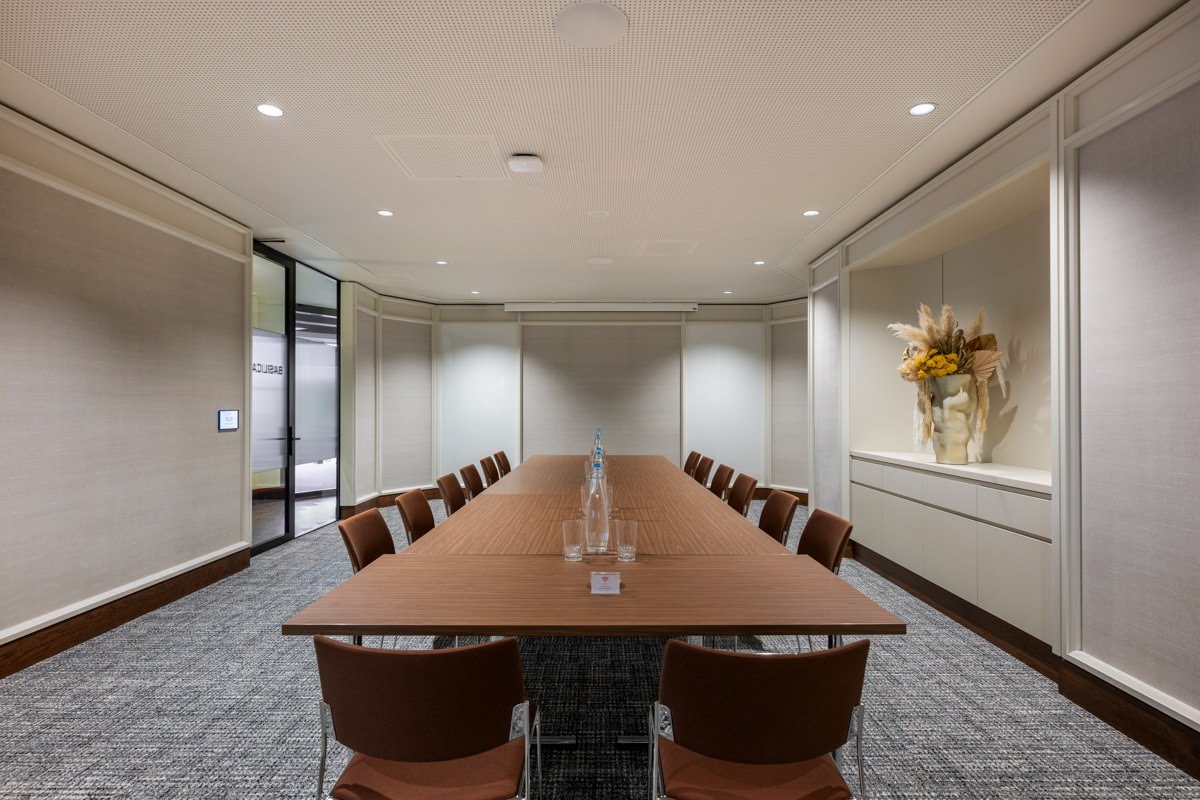
- The London Connection: Maintaining a professional face in the UK is vital for many nomads. Using meeting room rentals in central London allows you to host client presentations or team strategy sessions in a high-end setting.
- A Global Infrastructure: With locations across Asia Pacific and the UK, you can move between major business hubs without losing productivity.
- Community and Network: Coworking hubs solve the social shift mentioned earlier. They provide a space to connect with other global professionals, replacing the office culture you left behind with a new, professional network.
Wrapping Up: Your Path to Digital Nomad Life
Digital nomadism is about more than working from new locations, it’s about crafting a life that blends freedom, focus, and experiences. The rewards are tangible: richer experiences, greater flexibility, and the ability to design a routine that prioritises both work and personal growth.
The Work Project helps make this lifestyle sustainable. Our professional hubs provide the stability, resources, and community needed to stay productive and connected, whether you’re working in London, passing through APAC, or setting up temporarily in a new city.
Book a tour or day pass today to see how a dedicated workspace can anchor your nomad journey and help you thrive wherever you go.