What Is a Small Business in the UK? Definitions, Criteria, and SME Classifications
Jun 18, 2026
How a UK business is classified determines which tax reliefs you can claim, whether your accounts need to be audited, which government grant programmes you are eligible for, and how much reporting your business is legally required to produce. Getting the classification right from the start is one of the more consequential administrative decisions a founder can make.
The term "small business" is used casually in everyday conversation, but HMRC, Companies House and the UK government each apply specific criteria when the word matters. This guide sets out the official definitions, explains where they differ and clarifies what each classification means in practice for UK founders and SMEs.
What Is a Small Business in the UK?
A small business in the UK is a formally defined regulatory category, not simply any business that feels small to the person running it. The UK government uses the SME (Small and Medium-Sized Enterprise) framework as its primary classification system, grouping businesses into micro, small and medium tiers based on employee headcount, annual turnover and, in some contexts, balance sheet total.
The definition matters because it is the mechanism through which government support, tax treatment and compliance obligations are allocated. A business that qualifies as a micro-entity can file simplified accounts with Companies House. A business that qualifies as a small company under Companies House criteria may not require a statutory audit. For an early-stage founder managing cash flow and compliance without a dedicated finance team, these distinctions represent a meaningful reduction in cost and complexity.
Official UK Government Definitions of SMEs
The UK government uses the following thresholds to classify businesses under the SME framework. These definitions align with the criteria used across HMRC programmes, grant eligibility assessments and government procurement frameworks.
Micro-Businesses in the UK
A micro-business meets both of the following criteria:
- Fewer than 10 employees
- Annual turnover below £2 million
Growing service firms, agencies, retail businesses and professional services practices commonly sit in this tier. A business that is generating consistent revenue and has begun building a team will often find itself here before reaching medium-sized status.
Small Businesses in the UK
A small business meets both of the following criteria:
- Fewer than 50 employees
- Annual turnover below £10 million
Growing service firms, agencies, retail businesses and professional services practices commonly sit in this tier. A business that has moved past the founding stage, is generating consistent revenue and has begun building a team will often find itself in the small business category before it reaches medium-sized status.
Medium-Sized Businesses in the UK
A medium-sized business meets both of the following criteria:
- Fewer than 250 employees
- Annual turnover below £50 million
Medium-sized businesses are typically established firms operating across multiple regions or market segments. They sit at the upper end of the SME classification and often have dedicated finance, HR and operations functions that smaller businesses manage informally.
How HMRC and Companies House Define Small Companies
The SME framework above covers government programmes and general classification. Companies House applies a separate set of criteria specifically for accounting and audit purposes, and these thresholds differ from the SME turnover figures.
Under Companies House rules, a company qualifies as small if it satisfies any two of the following three conditions:
- Turnover of £15 million or less
- Balance sheet total of £7.5 million or less
- 50 employees or fewer
A company that meets this test can take advantage of audit exemptions, choose whether to include a director's report and profit and loss account in its public filing, and submit abridged accounts to Companies House, meaning less financial detail is publicly accessible.
The important distinction here is that the £15 million turnover figure applies specifically to Companies House accounting classifications, not to the SME definition used in grant eligibility or government procurement. A founder applying for a government-backed grant programme will typically be assessed against the SME thresholds, not the Companies House accounting threshold. Reading the criteria for each application carefully is worth the time.
What Is a Micro-Entity in the UK?
A micro-entity is a sub-category of very small company with its own simplified reporting framework. Under Companies House rules, a company qualifies as a micro-entity if it meets any two of the following three conditions:
- Turnover of £1 million or less
- Balance sheet total of £500,000 or less
- 10 employees or fewer
A qualifying micro-entity can prepare simplified statutory accounts, send only a balance sheet to Companies House with reduced disclosure requirements, and benefit from the same audit exemptions available to small companies.
For a founder operating solo or with a very small team in London's startup and freelance economy, the micro-entity framework is often the relevant one for the first several years of operation, with lower accountancy costs and less time spent on compliance as a direct result.
What Types of Businesses Are Considered Small Businesses in the UK?
Legal structure does not determine size classification. A business's tier is set by its employee headcount, turnover and balance sheet total, regardless of how it is legally constituted. The following structures can all fall within the small business definition:
- Sole traders: individuals operating a business in their own name, without a separate legal entity
- Limited companies: private companies incorporated with Companies House, with a legal identity separate from their directors and shareholders
- Partnerships and limited partnerships: businesses owned and operated by two or more individuals, with or without limited liability
- Non-profits and charitable organisations: entities operating for a social or charitable purpose that meet the size thresholds
- Cooperatives: businesses owned collectively by their members
Small Business Advantages and Challenges
Advantages
Being classified as a small business or micro-entity in the UK carries practical benefits that are worth understanding from the outset:
- Reduced Compliance Burden: Small companies and micro-entities can file abridged accounts, may qualify for audit exemptions and have access to simplified reporting frameworks
- Access to Tax Reliefs and Allowances: A range of HMRC reliefs, including R&D tax credits and the Annual Investment Allowance, carry SME eligibility criteria
- Operational Agility: With fewer people and simpler structures, small businesses can respond to market changes and make decisions faster than larger organisations
Challenges
The same size that creates agility also concentrates responsibility:
- Compliance Falls on the Founder: Without a dedicated finance or legal team, responsibility for HMRC deadlines, Companies House filings and employment law obligations sits with the founder
- Financial Management Requires Active Attention: Cash flow, tax planning, payroll and VAT all require consistent oversight that a larger business would distribute across departments
- Growth Requires Deliberate Management: Moving through SME tiers changes the compliance and reporting obligations that apply, and founders need to track those thresholds as the business scales
Why Workspace Matters for UK Small Businesses
As a business grows through the SME tiers, decisions that once felt purely operational begin to carry external weight. The address on a Companies House registration, the room in which a client meeting takes place, the environment a prospective hire walks into on their first interview: each contributes to how the business is perceived before anyone has spoken.
For London-based small businesses, workspace choice sits at the intersection of credibility and cost management. A registered address in a recognised commercial precinct carries weight with investors, enterprise procurement panels and professional clients.
Flexible workspace has made it possible for a business at any SME stage to operate from a premium London location without the financial commitment of a traditional lease.
The room a founder chooses for an early investor meeting tells the investor a great deal about how the business is being run. When that first impression is delivered inside a Grade A building in a recognised City precinct, the conversation begins with the founder already several steps ahead.
The Work Project: Flexible Workspace for UK Small Businesses
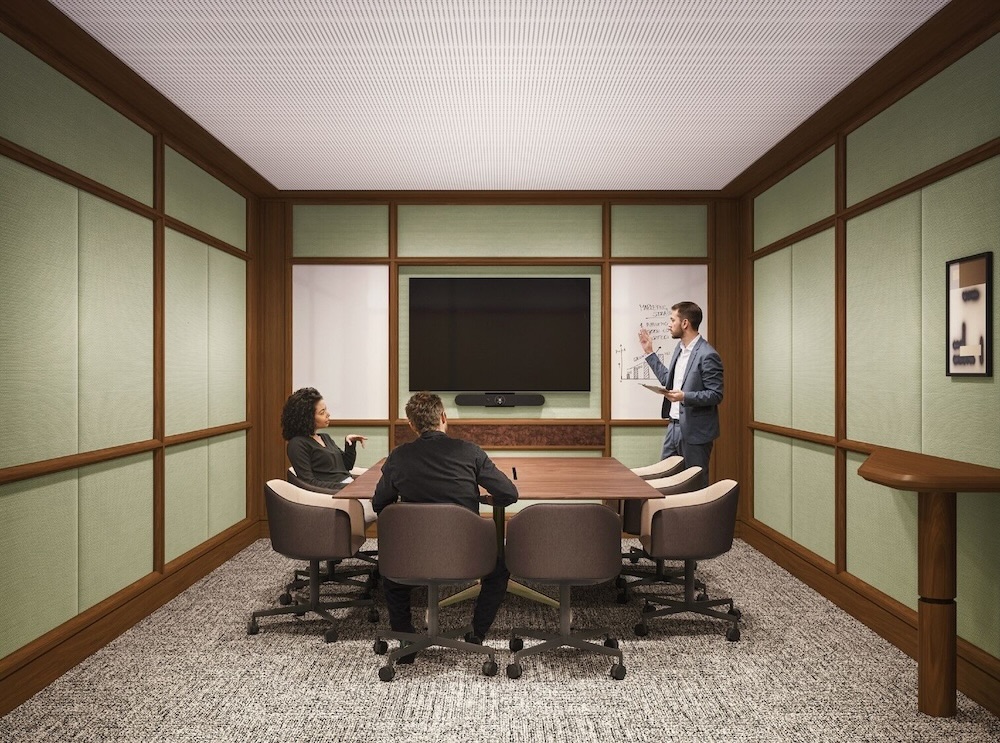
The Work Project's private office spaces for rent in London sit inside Grade A buildings in recognised commercial precincts, with hospitality-inspired service and flexible terms that adjust as the business grows. Whether you are a sole trader establishing a credible London presence, a small business preparing for its first investor round or a growing SME that needs scalable office space without a long-term lease commitment, the workspace adjusts to where the business is heading.
The Leadenhall office in the City of London places businesses at one of London's most recognised financial addresses, with coworking, private office and meeting room options available from day one.
Book a tour to see the London workspaces firsthand.