What is an Agile Working Environment in Singapore?
Mar 03, 2026
Agile working environments are steadily replacing rigid, traditional office setups, and in Singapore, the shift is especially pronounced. High-density business districts, rising office costs, and the widespread adoption of hybrid work since COVID have pushed organisations to rethink how, where, and why work happens.
Today, many Singapore-based teams no longer operate from a single fixed office. Employees move between home, coworking spaces, and corporate offices, while companies coordinate across regional and global markets. Agile workplaces have emerged as a practical response: environments designed to support flexibility, collaboration, and productivity without compromising professionalism.
For organisations with global operations and employees balancing multiple work modes, agile workspaces are no longer a trend. They are becoming the new standard.
What Is an Agile Workplace Model?
An agile workplace model brings together flexibility, adaptive office space design, and modern work methodologies to support how teams actually work today. In Singapore, this model reflects both spatial realities and evolving work culture.
Flexibility and Adaptability
An agile work environment gives staff the freedom to choose where, when, and how they work, meaning that employees may split their time between a central office, home, and coworking spaces. Such flexible hours and hybrid arrangements are now common across industries in Singapore, especially in technology, finance, and professional services.
Rather than enforcing a one-size-fits-all routine, agile environments support diverse working styles while maintaining structure and accountability.
Physical Office Design
With limited floor space and premium rents in the CBD and key business hubs, an agile office space in Singapore prioritises modular, adaptable layouts. Instead of fixed desks for every employee, space is allocated to different modes of work: private offices for focused tasks, collaborative zones for teamwork, and quiet areas for concentration.
This design approach ensures office space is used efficiently while still supporting productivity and comfort.
Work Methodology
Agile working also reflects how work gets done. Teams focus on iterative progress, regular feedback, and delivering value quickly. Digital tools such as Slack, Microsoft Teams, Notion, and project management platforms commonly used in Singapore support this approach, enabling collaboration across offices, time zones, and client locations.
Types of Agile Workspaces in Singapore
Open Plan Spaces
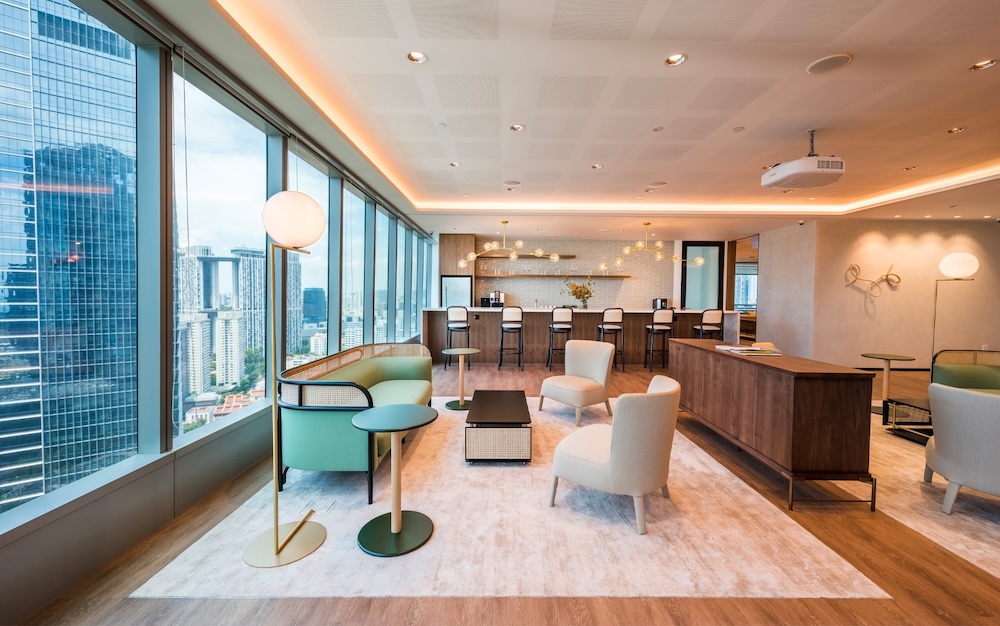
Open plan areas encourage collaboration and informal communication. They are well-suited to teamwork, quick discussions, and cross-functional interaction.
At The Work Project, we design our workspaces around this philosophy. Our layouts embody the principles of agile work environments, carefully balancing energy with focus while naturally encouraging movement and cross-team exchange. Rather than simply removing walls, we consider flow, acoustics, and spatial zoning to create open spaces that feel dynamic, professional, and conducive to meaningful collaboration.
Quiet Zones
Quiet zones are essential in busy Singapore offices and our own coworking spaces. Designed with sound-absorbing materials and minimal visual clutter, these areas support deep work, video calls, and tasks that require sustained concentration.
Breakout Spaces
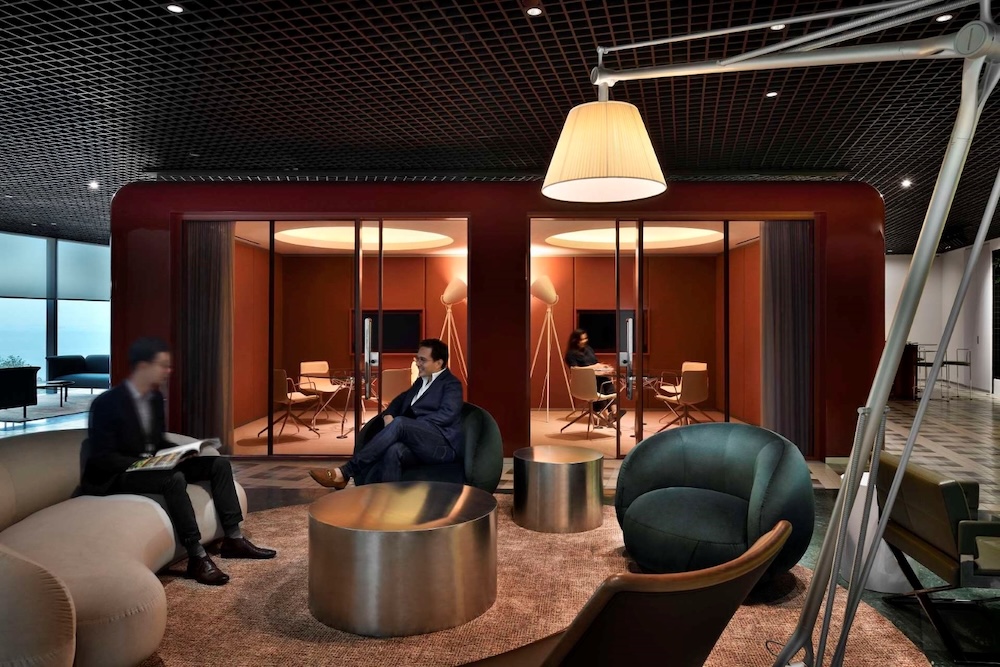
Breakout spaces provide informal settings for brainstorming, casual meetings, or simply changing scenery. In hybrid teams, these spaces also encourage spontaneous interactions between in-office staff and visiting colleagues.
Resource Areas
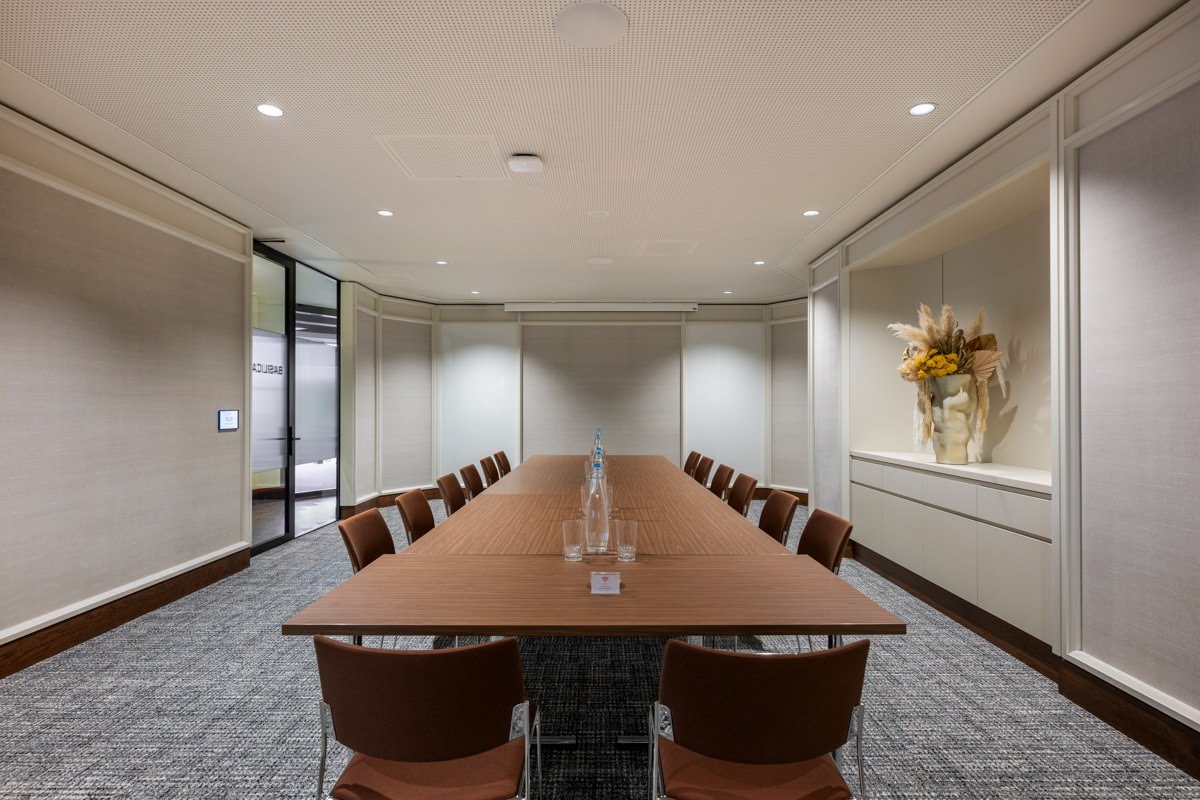
Shared resource areas centralise access to printers, scanners, meeting technology, and essential supplies.
At The Work Project, these premium business amenities are built into the workspace. Smaller businesses and startups can access professional-grade facilities and fully equipped meeting rooms without heavy upfront investment.
Touchdown Areas
Touchdown areas offer temporary workstations for hybrid employees, visiting staff, or regional colleagues passing through Singapore. Equipped with desks, chairs, and power access, they allow teams to stay productive without permanent desk allocation.
What Are the Benefits of an Agile Workplace?
Improved Collaboration
Agile office space design encourages spontaneous conversations and knowledge sharing. They support teams spread across multiple offices or working with global colleagues, making collaboration more natural and efficient.
Higher Employee Retention
In competitive sectors such as technology, finance, and creative industries, flexibility plays a major role in talent retention. Agile workplaces appeal to professionals who value autonomy, trust, and a supportive work environment.
Better Space Efficiency
Flexible layouts optimise expensive office space in Singapore’s CBD and business hubs. Companies can accommodate more staff without increasing their footprint, reducing long-term overheads. Coworking spaces further support this efficiency by offering scalable, shared environments that minimise fixed costs.
Increased Productivity and Engagement
When employees can choose where and how they work best, productivity and engagement improve. Agile working environments help teams manage hybrid schedules while maintaining performance and accountability.
Is Agile Working the Same as Flexible Working?
While closely related, agile working and flexible working are not the same.
Flexible working focuses on when and where work happens, such as remote work or flexible hours. Agile working goes further by addressing how work is done. It combines flexibility with adaptive environments, collaborative tools, and evolving work practices.
In Singapore, this distinction matters for teams working across regional offices or serving international clients. Agile working ensures flexibility is supported by structure, systems, and space.
Who Is the Agile Work Environment Best Suited For?
Agile workplaces benefit both organisations and employees, making them particularly effective for:
- Staff who value autonomy and choice in how they work
- Employees collaborating across multiple teams or regional markets
- Teams in innovation-driven industries such as tech, startups, and creative services
- Professionals seeking environments that support productivity, well-being, and collaboration
Integrate an Agile Workplace into Your Team at The Work Project SG
For Singapore-based teams, coworking spaces provide a turnkey way to adopt agile working without redesigning a traditional office. The Work Project Singapore, for example, offers private offices, collaborative zones, phone booths, lounges, and hot desks within a single ecosystem.
Designed to support hybrid teams and professionals working with regional or global clients, these spaces, located in prestigious business districts, combine flexibility with a consistently high standard. Companies can scale up or down as needed, while employees benefit from environments built for focus, collaboration, and well-being.
To experience agile working in practice, explore private meeting rooms or coworking solutions at The Work Project SG and discover how an agile workplace can support your team’s evolving needs.