Australian Business Culture: What Makes the Aussie Workplace Tick
Jul 16, 2026
For an Australian operations lead in an established team or an overseas business preparing for first meetings in Sydney or Melbourne, the unwritten rules of Australian business culture carry more weight than anything in the policy handbook.
While the country's workplaces may look informal on the surface, a clear set of expectations governs how people communicate, how decisions move and what earns trust in a room.
Core Values That Shape Australian Workplaces
Egalitarianism is the defining thread that runs through Australian business culture. The expectation is that everyone deserves a fair go regardless of title or tenure, and a workplace is read as fair or unfair against that standard.
The cultural shorthand for the opposite of egalitarianism is tall poppy syndrome, the tendency to distrust or quietly resist anyone who appears to elevate themselves above peers. The practical consequence is that overt self-promotion lands poorly.
Credentials, titles and accolades sit in the background. Authenticity, sincerity and being down to earth carry more weight in establishing credibility than formal status markers.
How Australians Communicate at Work
Direct, plain-speaking communication is one of the defining business customs in Australia. Australians say what they mean and expect the same in return. Within that directness, humour and gentle self-deprecation are common social glue. Banter is a trust signal rather than a sign of unprofessionalism, and most Australian teams use it to test whether new colleagues take themselves too seriously.
What doesn’t land in an Australian workplace:
- Hype and exaggerated claims
- Emotional appeals
- High-pressure or urgent language
Australians respond to facts, logic and demonstrated competence. Disagreement is handled openly and diplomatically, with the substance kept separate from the personal relationship.
Workplace Hierarchy and Management Style
Australian workplaces look flat from the outside but hierarchy still exists, although it’s less visible than in many international markets. Senior staff are typically addressed by first name from day one, a defining feature of business etiquette in Australia.
The dominant management style is consultative. Managers invite input, frame directions as suggestions and explain the reasoning behind decisions, while still holding firm expectations on delivery.
What Australian employees expect from their leaders:
- Approachability regardless of rank
- Open communication on what is happening in the business
- Fairness in how decisions and feedback are handled
- Respect for individual initiative and judgement
Initiative and practical problem-solving are valued more highly than rigid adherence to process, particularly inside the agile working environments common in Australian teams.
Meetings, Negotiations and Business Relationships
The typical Australian business meeting is punctual, agenda-driven and outcomes-focused, while the tone in the room stays relaxed. Time is respected and decisions are expected to come out of the meeting, often after consultation across the team rather than from the most senior person alone.
Negotiation norms reflect broader business customs in Australia: direct, realistic and impatient with theatre. Australians usually open with a firm, realistic position and expect a counterparty to do the same. Heavy bargaining or large opening positions held just for movement read as bad faith and damage the relationship.
Trust itself is built through competence and reliability rather than upfront social investment. The friendliness of a first meeting is genuine but separate from the longer work of earning the relationship.
Business Etiquette in Australia
Business etiquette in Australia is informal by international standards but consistent in its conventions. Here are the basics:
- Greetings: A handshake on first meeting, first names from the start, with no formal titles expected.
- Business cards: Exchanged without ceremony. Not taking part in the exchange isn’t considered rude.
- Dress code: Generally conservative inside CBD professional services, more relaxed in regional offices, creative industries and warmer climates such as Brisbane and Perth.
- Gift giving: Uncommon in business contexts, and a gift given is appreciated provided it’s modest and never tied to a pending decision.
Australia's Multicultural Workforce
Australia is one of the most multicultural countries in the developed world, with roughly a quarter of the population born overseas. Business customs in Australia draw directly from this diversity, alongside the deep history of Aboriginal and Torres Strait Islander peoples.
The practical implication for any business is that broader cultural tendencies sit alongside a wide range of international working styles in the same office. Cultural awareness within the team matters as much as understanding Australian customs from the outside.
For an overseas business setting up its first Australian presence, a virtual office in Australia provides a registered CBD address, mail handling and on-demand meeting room access while the local team is being built out.
Mateship, Social Culture and Work-Life Balance
Mateship is the Australian concept of loyalty, mutual support and equality among peers, and it carries directly into professional relationships. Colleagues are expected to back each other in difficulty, share credit when things go well and treat one another as equals regardless of formal seniority.
Social gatherings reinforce the most important aspects of Australian business culture. The team barbie, end-of-week drinks and shared lunches are where colleagues become trusted collaborators.
Work-life balance carries comparable weight: Australians broadly value time outside work and expect those boundaries to be respected, particularly outside business hours and across the long summer holiday in December and January.
Working in or with Australian Businesses: The Practical Takeaways
For Australian operators and international counterparts entering the market, the same patterns repeat:
- Be direct, punctual and specific.
- Treat seniority lightly in the room and seriously in delivery.
- Replace status performance with demonstrated competence.
- Use plain language and resist the urge to oversell.
- Read agreement and disagreement at face value rather than searching for hidden subtext.
The same principles apply across Australia's SMEs and larger enterprises alike. Competence plus authenticity is what earns respect inside the Australian business environment.
A Workspace That Matches the Way Australians Work
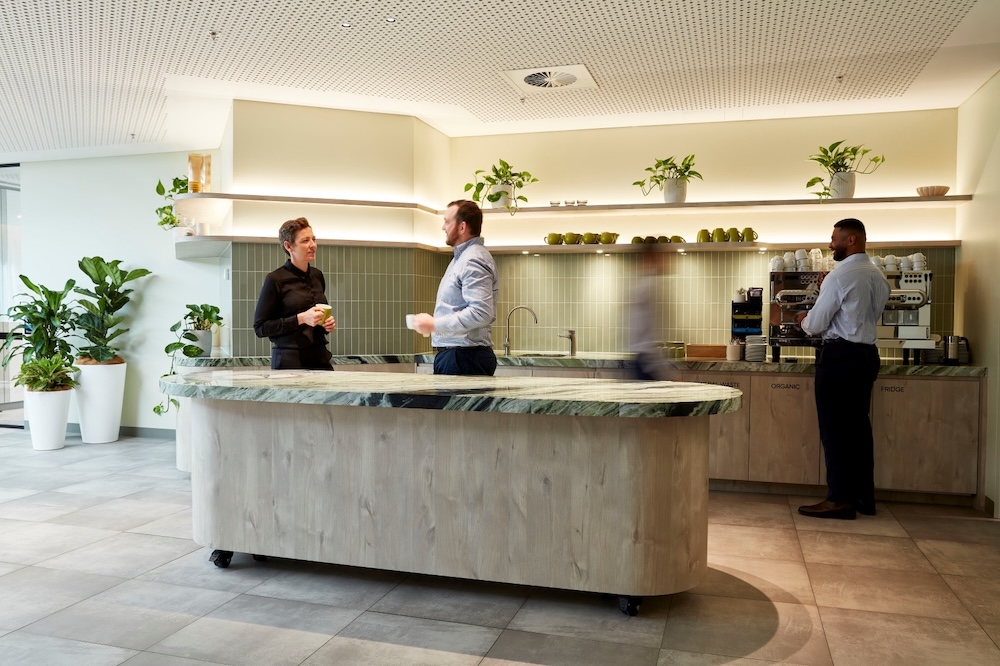
First meetings, negotiations and team discussions tend to go best in settings that match business customs: professional enough to set the right tone, relaxed enough to suit the way people work. The Work Project's coworking offices and meeting rooms sit inside Grade A buildings across Sydney, Melbourne, Brisbane and Perth, with hospitality-inspired service and flexible booking that suits the rhythm of business in Australia.
Book a tour at a nearby location to see how Australian business culture sits sithin a working environment that’s built for it.